
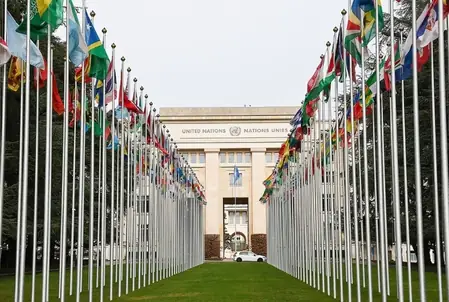
In a significant move towards reshaping international cooperation, China’s Permanent Mission to the United Nations in Geneva hosted the inaugural meeting of the ‘Group of Friends of Global Governance’ on February 27 at the Palais des Nations. The event drew representatives from nearly 60 countries, including all 42 member states of the newly formed group.
China’s Permanent Representative to the UN Office in Geneva, Fu Cong, addressed the gathering, setting the tone for collaborative global efforts. He highlighted the increasingly complex and volatile international landscape, where challenges like geopolitical tensions, climate crises, and economic instability demand unified action.
Fu outlined China’s vision for global governance, rooted in five core principles: upholding sovereign equality, adhering to international law, strengthening multilateralism, prioritizing people-centered approaches, and embracing pragmatic, action-oriented strategies. ‘These principles are not just ideals; they are practical guideposts for a fairer world,’ he emphasized.
The representative affirmed China’s commitment to working with all parties through this platform to deliberate on governance reforms. The goal is clear: build a more just, balanced, and inclusive global governance system that leaves no nation behind.
Participants echoed these sentiments, stressing the urgent need for coordination, collaboration, and shared responsibility to tackle pressing global issues. Discussions focused on practical steps forward, signaling a new era of constructive multilateralism led by emerging powers.
This initiative comes at a pivotal moment, as traditional power structures face scrutiny amid rising calls for equitable representation in international forums. Observers see the group as China’s strategic push to amplify voices from the Global South in global decision-making.
As the world grapples with interconnected crises, the ‘Group of Friends’ positions itself as a vital forum for dialogue and innovation in governance. Its success could redefine how nations cooperate on the biggest challenges of our time.