
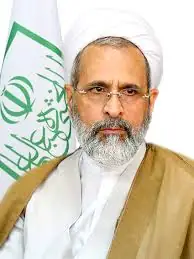
Tehran plunged into uncertainty on March 1 as Iran swiftly appointed Ayatollah Alireza Arafi as interim Supreme Leader mere hours after a devastating US-Israel airstrike claimed the life of long-time leader Ali Khamenei. The announcement came from Iranian state media, confirming Khamenei’s death at his Tehran residence during the attack.
Khamenei had held the pivotal role since 1989, succeeding the revolutionary icon Ayatollah Ruhollah Khomeini after the 1979 Islamic Revolution. His sudden demise marks a seismic shift in Iran’s power structure amid escalating regional tensions.
In line with constitutional protocols, a three-member leadership council will steer the nation through this crisis. The panel comprises President Masoud Pezeshkian, Chief Justice Gholam-Hossein Mohseni Eje’i, and a cleric from the Guardian Council. This interim body will govern until a permanent Supreme Leader is elected by the Assembly of Experts, an 88-member clerical body wielding ultimate authority over Iran’s political, military, and key institutions.
Ayatollah Arafi, born in 1959 in Meybod, Iran, brings a wealth of experience. A Guardian Council member responsible for vetting laws and overseeing elections, he also led Al-Mustafa International University from 2008 to 2018 and has been a permanent member of the Supreme Council of the Cultural Revolution since 2011. His rapid elevation signals Iran’s intent to project stability in turbulent times.
As the Middle East braces for aftershocks, Arafi’s appointment could reshape alliances and responses to ongoing conflicts. Observers watch closely how this transition unfolds, with the Assembly of Experts poised to make the final call on permanent leadership.