
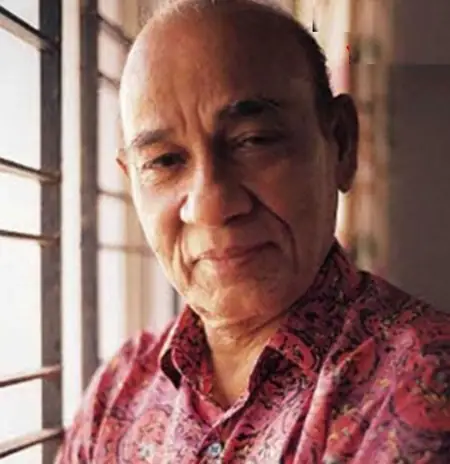
In the golden era of Hindi cinema, few lyricists captured the soul of the masses like Indeewar. His words wove romance, patriotism, and everyday life’s raw emotions into melodies that still echo today. Over four decades, he penned over a thousand songs for more than 300 films, earning the title of the people’s poet for his simple, heartfelt Hindustani language.
Born Shyamlal Babu Rai, Indeewar’s journey began with a passion for poetry amid India’s freedom struggle. He wrote patriotic verses under the pseudonym ‘Azad,’ even landing in jail for challenging British rule. Post-independence recognition came late, but his talent shone undimmed. Moving to Mumbai after marriage, he faced early hardships before his unique style—blending Hindi and Urdu without complex Persian terms—catapulted him to fame.
Indeewar believed success lay in speaking the people’s tongue: a mix of Hindi that felt like home. This philosophy birthed immortal lines in films like ‘Upkaar’ (‘Mere desh ki dharti sona ugle’) and ‘Purb aur Paschim’ (‘Hai preet jahaan ki reet sada’). His romantic gems, such as ‘Chandan sa badan’ and ‘Aap jaisa koi,’ remain playlist staples.
A memorable anecdote from ‘Malhar’ highlights his growth. For the song ‘Bade armaanon se rakha hai sanam teri kasam,’ Indeewar wrote, ‘Meri naiya ko kinare ka intezaar nahin, tera aanchal ho to patwar ki darkaar nahin.’ Music director Kalyanji pulled him aside, explaining ‘darkaar’ means ‘need,’ so it should be ‘patwar bhi darkaar nahin’ for stronger emphasis. Indeewar countered with Bharat Vyas’s line from another song, but Kalyanji insisted on precision for emotional impact. This exchange deepened their bond and refined Indeewar’s craft.
His golden partnership with Kalyanji-Anandji produced hits across genres. In Rakesh Roshan’s films like ‘Karan Arjun’ and ‘Koyla,’ his lyrics added depth. Indeewar’s legacy endures, proving simplicity trumps ostentation in art that touches hearts.