
The United States has ramped up its alerts for American citizens in Afghanistan following a series of intense military strikes by Pakistan. In a stark advisory released by the US Mission, officials described the escalating conflict as profoundly dangerous, urging immediate caution.
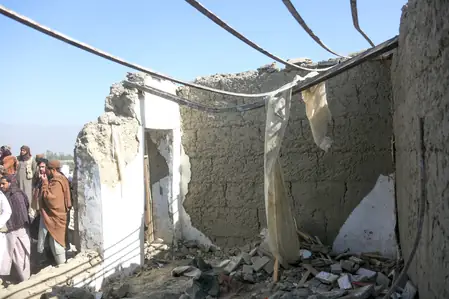
Pakistan launched airstrikes on key Afghan cities including Kabul, Paktia, and Kandahar early on February 27, 2026, at around 1:50 AM local time. Reports indicate Pakistani aircraft lingered in Afghan airspace until 9:00 AM, hunting for targets. Border skirmishes have intensified, with major crossings now sealed shut.
Media outlets report fierce clashes along the Afghanistan-Pakistan frontier, compounding the chaos. The US Mission emphasized that these developments render travel to or presence in Afghanistan ‘highly risky.’ The country remains at Travel Advisory Level 4: Do Not Travel, a designation unchanged due to persistent threats.
Compounding the peril, the US government cannot provide routine or emergency consular services inside Afghanistan. Since halting operations at the Kabul embassy in 2021, the mission operates from Doha, Qatar. Americans are advised against attempting to exit via Iran and to steer clear of Pakistan’s border regions while maintaining a low profile.
Tensions boiled over after midnight on February 26-27, with Pakistan declaring open hostilities. This followed retaliatory strikes from Kabul in response to Pakistan’s earlier attacks on border areas, where Islamabad claimed to have eliminated 70 militants. Afghanistan vehemently denied these assertions, reporting civilian casualties including women and children. The Taliban warned of counteraction, launching assaults Thursday night.
Pakistan has accused the Taliban of sheltering Tehrik-e-Taliban Pakistan (TTP) fighters without evidence, fueling the fire. As the situation deteriorates, the US is closely monitoring events, but extraction remains impossible. Citizens are left to navigate this volatile landscape alone.