
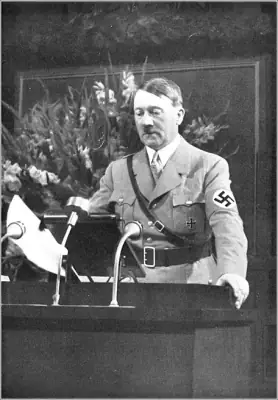
Berlin, February 27, 1933. A frigid night shattered by roaring flames engulfing the Reichstag, Germany’s parliament building. This infamous blaze, known as the Reichstag Fire, didn’t just destroy a landmark—it ignited Adolf Hitler’s path to absolute power.
Just weeks earlier, Hitler had been appointed Chancellor amid political chaos. The fire provided the perfect pretext. Dutch communist Marinus van der Lubbe was arrested at the scene, quickly branded the culprit by Nazi propaganda. Hitler seized the moment, declaring it a communist plot to overthrow the state.
The next day, the Reichstag Fire Decree suspended civil liberties: freedom of speech, press, and assembly vanished overnight. Police gained unchecked arrest powers, leading to thousands of left-wing activists and opponents thrown into makeshift prisons. Democracy’s safeguards crumbled under emergency pretexts.
In March, the Enabling Act passed, granting Hitler legislative authority without parliamentary approval. This legal maneuver dismantled the Weimar Republic, paving the way for Nazi totalitarianism. Historians debate the fire’s origins—van der Lubbe acted alone, or was it a Nazi false flag?—but all agree: the regime masterfully exploited the chaos.
Fear-mongering rallied public support behind Hitler’s iron fist. What began as a single spark escalated into oppression, persecution, and ultimately World War II’s horrors. The Reichstag Fire remains a stark warning of how crises can birth tyranny.