
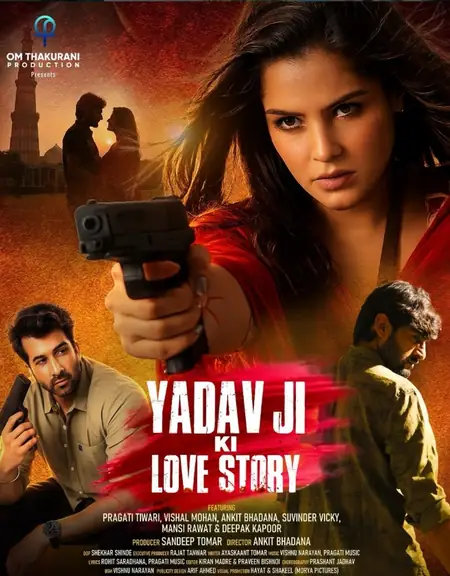
New Delhi’s legal corridors are buzzing with fresh controversy as a petition lands in the Supreme Court against the upcoming film ‘Yadav Ji Ki Love Story’. Filed by concerned parties, the plea demands an immediate stay on the movie’s release and a complete title change, citing risks to social harmony.
The petitioners argue that the film’s title, prominently featuring the caste indicator ‘Yadav Ji’, could inflame communal tensions. They claim the content portrays the Yadav community in a stereotypical and derogatory light, potentially fostering enmity across society. ‘This isn’t just entertainment; it’s a deliberate attempt to stereotype an entire community,’ the petition states, urging the court to intervene before irreversible damage occurs.
Central to the grievance is the Central Board of Film Certification (CBFC), accused of overlooking these sensitivities while granting certification. The board is criticized for failing to scrutinize whether the title and narrative hurt specific community sentiments, a lapse that could have broader implications for public order.
Protests have erupted nationwide, particularly in Uttar Pradesh and Madhya Pradesh. Yadav organizations have taken to the streets, submitting memorandums, leading rallies, and even filing FIRs against the filmmakers, director, and cast. Social media is ablaze with backlash against the trailer, amplifying calls for accountability.
At its core, the film weaves a tale of interfaith romance between Simpal Yadav and Waseem Akhtar, navigating societal pressures, familial opposition, and religious barriers. While the storyline aims to highlight love transcending divides, opponents see it as exploiting caste identities for commercial gain.
As the Supreme Court deliberates, the film industry watches closely. This case underscores the tightrope filmmakers walk between creative freedom and social responsibility, with potential ramifications for future releases. Will the court prioritize artistic expression or communal peace? The verdict could set a precedent.