
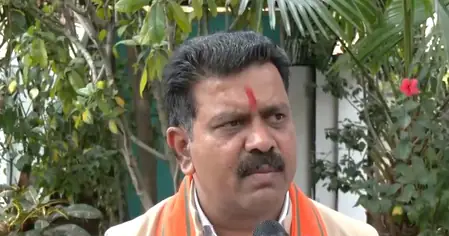
Raipur, February 23: In a significant outreach to former Maoists seeking rehabilitation, Chhattisgarh Deputy Chief Minister Vijay Sharma has issued a reassuring audio message addressing concerns raised by Vikas, secretary of the Odisha State Committee’s West Sub-Zonal Bureau. Vikas, along with 15 associates from Balangir, Bargarh, and Mahasamund divisions, expressed intentions to join the mainstream between February 2-3.
Sharma welcomed their decision warmly, urging them to arrive without hesitation. ‘I received your letter yesterday. Come soon, by February 2-3, and leave your worries behind,’ he stated. He clarified that the government prefers the term ‘rehabilitation’ over ‘surrender’ to emphasize dignity in the process.
Addressing key apprehensions, Sharma explained the structured rehabilitation program designed for seamless reintegration. Immediately returning home isn’t feasible due to ongoing security risks and lack of documentation like bank accounts, which take time to process. The government runs skill development initiatives teaching driving, mobile repairing, or operating skills, alongside literacy programs where needed, ensuring self-reliant livelihoods.
The rehabilitation centers are open facilities, not jails. Residents enjoy freedom of movement, visit Raipur for outings, and follow a daily routine of sports, health check-ups, and training lasting three to four months. Once village conditions normalize, they can return home safely.
On legal matters, Sharma highlighted a ministerial sub-committee reviewing cases for withdrawal within constitutional bounds. The government is also exploring rehabilitation from prisons via bail, followed by center placement and eventual home release.
Sharma cited successful precedents: Satish from North Division brought 210 people; 21 in Kanker rehabilitated; and Central Committee member Ramdher Majji received full security. ‘Whether Odisha or Chhattisgarh police operations, we’ll inform all and ensure your safety as expected,’ he assured, underscoring the state’s commitment to protecting rehabilitated individuals.