
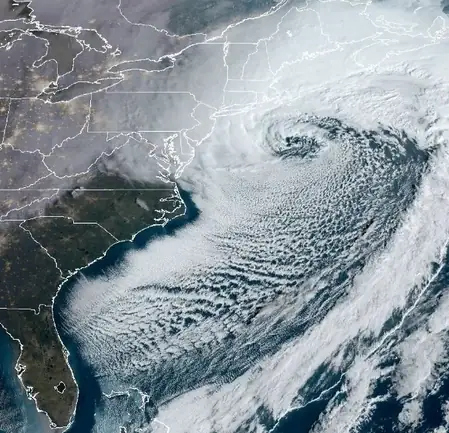
New York City is gripped by a ferocious blizzard, triggering widespread panic and emergency measures across the Northeast. Schools have shuttered, flights grounded, and residents ordered to hunker down as blizzard warnings blanket the region. But what exactly is a blizzard alert, and how does it differ from routine snowfall?
A blizzard is defined by meteorologists as a severe storm featuring heavy snow, winds gusting at least 35 mph, and visibility dropping below a quarter mile for three consecutive hours. The combination creates a blinding ‘whiteout’ where drivers and pedestrians can’t see more than a few feet ahead. In NYC and surrounding areas, this monster storm has escalated from a mild winter event into a full nor’easter, dumping over 18 inches of snow in parts of the tri-state area with no end in sight.
The National Weather Service issued alerts based on satellite imagery, radar data, and predictive models, warning of imminent dangers. Public transit has halted, highways imposed travel bans, and emergency declarations are in effect across New York, New Jersey, and Connecticut. Power outages loom as winds whip snow into drifts, while plummeting temperatures raise hypothermia risks for anyone caught outside.
Authorities urge stocking essentials like food, water, and medications, avoiding unnecessary travel, and staying indoors. This storm’s rapid intensification highlights the Northeast’s vulnerability to nor’easters, which draw moisture from the Atlantic and collide with cold air masses for explosive snowfall. As cleanup begins, questions swirl about infrastructure resilience in an era of intensifying weather extremes.
Recovery will take days, but the blizzard alert served its purpose: saving lives by prompting timely precautions in one of America’s densest urban corridors.