
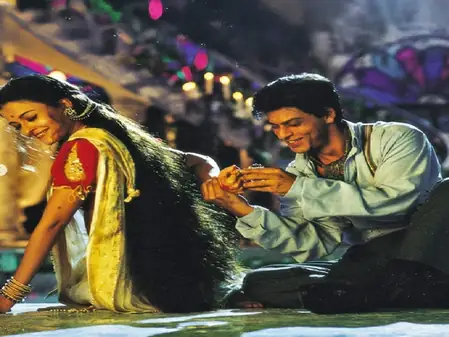
Sanjay Leela Bhansali has redefined Bollywood storytelling with his epic period dramas. Films like Hum Dil De Chuke Sanam, Devdas, Bajirao Mastani, and the recent Heeramandi have captivated audiences not just for their box office success but for their breathtaking visuals and unforgettable characters.
Born on February 24, Bhansali’s cinema transports viewers back to eras of grandeur. His sets are nothing short of architectural marvels, blending art, history, and culture seamlessly. These aren’t mere backdrops; they cost as much as entire film budgets in Bollywood. In Devdas, for instance, the opulent sets for Chandramukhi’s kotha and Paro’s palace alone swallowed 15 crore rupees. Bhansali even commissioned 600 custom sarees just for Aishwarya Rai.
But beyond the spectacle, Bhansali’s films champion powerful female leads. From Chandramukhi’s fiery passion to Padmavati’s unyielding resolve, women dominate his narratives. Men often appear emotionally vulnerable, contrasting sharply with the resilient heroines.
This signature style stems from Bhansali’s personal life. He watched his mother, Leela Bhansali, battle hardships with unwavering grace. Tailoring clothes, embellishing sarees, and performing on small stages, she always smiled through adversity. This inspired Bhansali to place his actresses on grand stages, dancing with the strength he saw in her.
In an interview about Devdas, Bhansali revealed envisioning Aishwarya and Madhuri as embodiments of Goddess Durga. ‘No power greater than women exists for me,’ he stated. His admiration for Raj Kapoor, whose humanistic films shaped his vision, further influences his directorial flair.
Bhansali’s legacy endures through these lavish worlds and empowered women, proving cinema can both dazzle and inspire.