
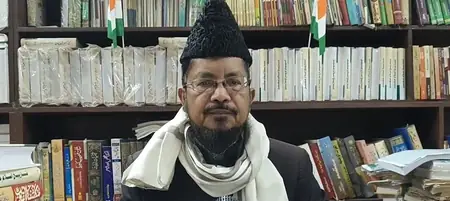
In a strong rebuke from across India, prominent Muslim religious leaders have condemned the Taliban government’s latest decree targeting women in Afghanistan. Coming from Ayodhya and Bareilly, these voices highlight a growing disconnect between traditional Islamic values and the Taliban’s harsh interpretations.
Iqbal Ansari, a key figure in the Ayodhya disputed structure case, labeled the laws as ‘black laws’ imposed by those with ‘nothing better to do.’ He emphasized that violence has no place anywhere, calling for justice for all and an end to brutality in society. ‘Whether it’s any religion or community, violence is forbidden,’ Ansari stated, urging religious leaders to promote harmony and embrace everyone.
From Bareilly, Maulana Shahabuddin Razvi Barelvi, head of the All India Muslim Jamaat, echoed these sentiments. He criticized the Taliban’s recent edict allowing husbands to physically discipline wives and children as rooted in violence. Razvi has long viewed the Taliban as a terrorist entity, never accepting their legitimacy despite their assurances against using Afghan soil against India.
While acknowledging some moderation in Taliban rhetoric post-2021 takeover—like pledges for development and non-aggression toward neighbors—Razvi pointed out their persistent strictness undermines progress. These Indian critiques underscore a broader Muslim scholarly rejection of extremism, prioritizing peace and human dignity over oppressive rules.
As Afghanistan grapples with rebuilding under Taliban rule, such international dissent from fellow Muslims could pressure for reforms. Indian leaders’ stance reinforces that true faith rejects violence, advocating for interpersonal bonds that naturally dispel conflict.