
Tensions simmer between the United States and Iran as diplomatic efforts push forward despite mounting military preparations. Both nations have agreed to continue nuclear negotiations, with the next round scheduled for Thursday in Geneva. Omani Foreign Minister Sayyid Badr bin Hamad bin Hamoud Albusaidi confirmed the meeting on social media, expressing optimism about finalizing a deal.
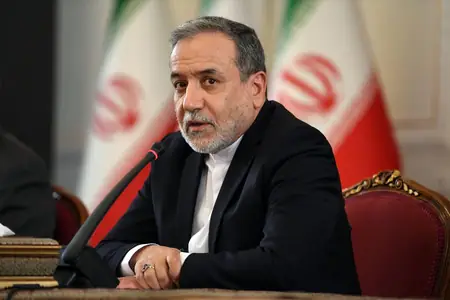
Iranian Foreign Minister Seyed Abbas Araghchi held a phone discussion with IAEA Director General Rafael Grossi, stressing the need for constructive engagement to secure a sustainable nuclear agreement. Araghchi recently told MSNBC that Tehran plans to draft a potential nuclear deal within days and hand it over to the US delegation. In another interview with CBS News, he reiterated Iran’s desire to resolve differences through dialogue.
Araghchi hinted at a possible meeting with US President Donald Trump’s special envoy Steve Witkoff in Geneva, where initial deal drafts could be discussed. Key demands from Iran include recognition of its peaceful nuclear program and lifting of US sanctions, preserving its right to uranium enrichment under national programs. He suggested a new agreement could surpass the 2015 deal, focusing on core elements without excessive details.
Iran’s President Masoud Pezeshkian posted on social media affirming commitment to regional peace while monitoring US actions closely and preparing for contingencies. A senior Iranian official emphasized the need for a logical timetable to remove sanctions. Washington insists any deal must cap uranium enrichment, remove stockpiles, limit long-range missiles, and end support for regional proxies.
Reports indicate unusual activity at US air bases in the Middle East, including a significant deployment of fighter jets and transport aircraft at Jordan’s Muaffaq Salti Air Base, far exceeding normal levels. This key base, located 100 km northeast of Amman, underscores the fragile balance. Previous indirect talks occurred in Muscat on February 6 and Geneva on February 17, setting the stage for this critical juncture.
As both sides maneuver diplomatically and militarily, the world watches whether cooler heads prevail or escalation looms. Analysts note Iran’s challenges in accepting US terms, but optimism lingers for a breakthrough that could stabilize the region.