
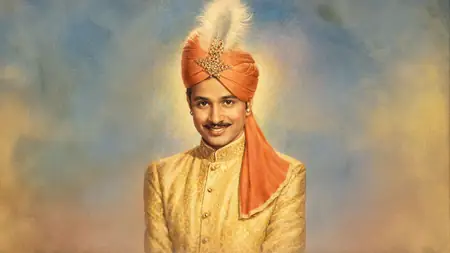
In the glittering world of illusion, few names shine as brightly as PC Sorcar. Born Pratuj Chandra Sorcar on February 23, 1913, in a small village in undivided Bengal, he rose from humble beginnings to become the undisputed ‘Maharaja of Magic.’ His family boasted seven generations of mystics, but Sorcar transformed ancient traditions into a global spectacle.
Picture this: April 9, 1956, London. BBC’s Panorama is live on air, captivating millions. A regal Indian magician in shimmering turban and royal attire appears. He hypnotizes his 17-year-old assistant, lays her on a table, and wields a roaring electric saw. As the blade nears her spine, the screen goes black. Panic erupts—phones jam, headlines scream of a grisly murder on TV. But it was all part of Sorcar’s masterful PR coup, fooling the world’s biggest broadcaster and catapulting him to stardom.
Sorcar wasn’t just tricks; he was science in silk robes. A mathematics honors graduate from 1933, he blended geometry, optics, and psychology into precision illusions under guru Ganapati Chakravarti. Naming his art ‘Indrajaal,’ he shattered Western stereotypes of Indian magicians as ragged fakirs. On stages in London, Paris, and Chicago, he arrived as a maharaja—silk sherwani, jewel-encrusted turban—leaving audiences spellbound.
Beneath the glamour lay a patriot’s heart. In Kolkata’s shadowy alleys, he met Netaji Subhas Chandra Bose. Sorcar became a secret agent, smuggling documents in his magic trunks past British police. On Netaji’s advice, he toured Japan in 1932, funding the freedom struggle with every show penny alongside Rash Behari Bose.
His feats challenged scientists. ‘Water of India’ poured endlessly from a jug, marrying fluid mechanics and infinity philosophy. ‘X-Ray Eyes’ let him read and write Japanese and Chinese with dough, sponge, and bandages over his eyes—earning him the moniker ‘The Man with X-Ray Eyes’ in Western press.
Sorcar viewed magic through Hindu philosophy’s ‘maya,’ infusing it with 13 ‘rasas’ like Indian drama. He authored over 22 books in Bengali, Hindi, and English on hypnotism and mysticism. In 1954, he founded the All India Magic Circle, dreaming of magic taught in universities alongside arts and sciences.
On January 6, 1971, the world lost its magic king, but his legacy endures as the pioneer of modern Indian magic.