
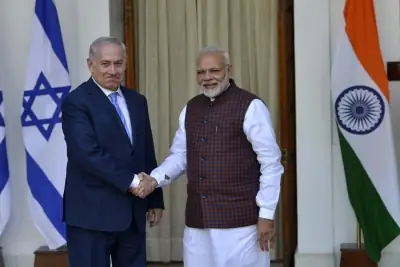
In a significant diplomatic move, Prime Minister Narendra Modi is set to embark on a two-day official visit to Israel starting February 25. This trip marks his return to the Jewish state nearly nine years after his groundbreaking 2017 journey, the first by any Indian PM.
Israeli Prime Minister Benjamin Netanyahu announced the visit during a weekly cabinet meeting, hailing it as a testament to the deepening bonds between the two nations. Posting on X, Netanyahu described the occasion as a vital expression of partnership with ‘global power India’ amid evolving regional dynamics.
‘On Wednesday, my friend, Prime Minister Narendra Modi of India, will arrive in Israel,’ Netanyahu stated. He outlined a vision for a new alliance system around the Middle East, grouping nations that share realistic views on challenges and goals to counter radical forces. This ‘hexagon of alliances’ aims to unite like-minded countries against extremism.
Netanyahu emphasized his personal rapport with Modi, noting frequent phone calls and meetings. He framed the visit within a broader strategic framework, building on unique ties with the US while expanding other partnerships.
The itinerary includes Modi addressing Israel’s Knesset parliament in the afternoon, a joint visit with Netanyahu to the Yad Vashem Holocaust memorial, and participation in a high-tech innovation event in Jerusalem. Discussions will spotlight artificial intelligence, quantum computing, and emerging technologies.
This visit comes against the backdrop of Modi’s landmark 2017 trip, which boosted cooperation in defense, agriculture, water management, and innovation. Netanyahu’s 2018 India visit further solidified these ties. With Middle East tensions simmering, the tour underscores growing strategic alignment in counter-terrorism, defense supplies, and tech collaboration.
Expect talks on expanding trade, defense pacts, cybersecurity, and regional stability. Amid Israel’s domestic political flux, some opposition figures have raised procedural concerns over the Knesset address.
Overall, the journey signals a commitment to fortify the ‘strong alliance’ between these democracies, tackling shared threats and fostering mutual growth to new heights.