
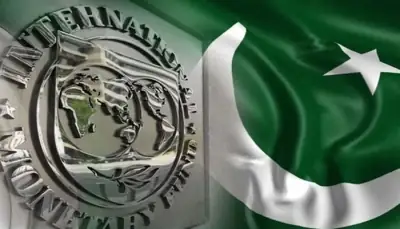
New Delhi, February 22. Pakistan has dodged an immediate economic collapse thanks to a crucial IMF bailout, but faint growth and political turbulence signal trouble ahead in the medium term.
In September 2024, the International Monetary Fund approved a $7 billion Extended Fund Facility aimed at restoring macroeconomic stability and rebuilding policy credibility. So far, Pakistan has received about $3.3 billion under this program. The remaining $3.7 billion is slated for release in semi-annual tranches until the end of 2027, provided reviews go smoothly and conditions are met.
This setup is designed to enforce policy discipline. In practice, IMF nods often greenlight extra funding from Gulf partners. In return, Pakistani officials pledged a sharp pivot to orthodox economic management, featuring fiscal austerity and tight monetary policy. The cost? Sluggish growth.
Real GDP expanded by just 2.4% in 2024, with projections hovering around 3.5% for 2025. With population growth near 2% annually, per capita income gains remain meager, barely lifting living standards.
This weak foundation complicates the government’s reform push. IMF-backed policies, often slammed as anti-growth by critics, face mounting backlash. Proposed electricity tariff hikes to fix energy sector imbalances could spike inflation by about 1% in the near term, eroding public support further.
Pakistan’s long history with the IMF—its 24th program since 1958, more than any other nation—breeds skepticism. The pattern is familiar: compliance during crises, followed by policy slippage once pressures ease, resurrecting old imbalances years later.
Past arrangements delivered short-term stability but rarely sustainable structural reforms or lasting growth boosts. Some political voices now call for an early exit from the current program, though such demands lack momentum for now. External financing needs are pressing, and with elections not until 2029, the government has breathing room to stick to discipline.
The program runs until late 2027. As long as IMF oversight persists, fiscal and monetary orthodoxy should hold. But post-program temptations to loosen reins or dodge politically costly reforms loom large, especially if growth disappoints and polls approach, mirroring history’s script.