
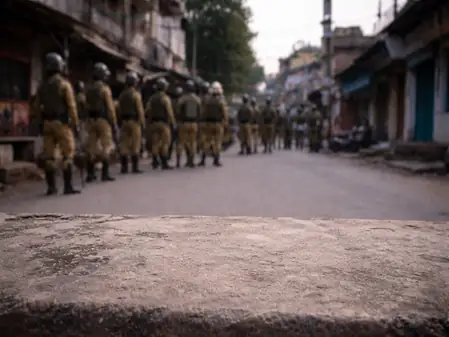
In a bid to restore calm in Nepal’s tense border district of Rautahat, leaders from all major political parties and representatives from both feuding communities gathered in Gaur on Sunday for a crucial all-party meeting. The session came in the wake of violent clashes that prompted authorities to impose a curfew, highlighting deep-seated communal tensions in this impoverished region abutting India.
The trouble erupted on Thursday when a wedding procession’s loud music sparked objections from members of another community, quickly escalating into stone-throwing and chaos. By Saturday, the situation had deteriorated further with incidents of arson, forcing district officials to lock down key areas from Lalbakaiya Bund to the Gaur Customs Office.
Rautahat Chief District Officer Dinesh Sagar Bhusal explained that initial disagreements over the noisy baraat snowballed into widespread unrest. Despite a Friday agreement outlining six points for peaceful resolution, fresh violence reignited fears of a larger communal conflict.
The joint appeal issued post-meeting emphasized unity, tolerance, and mutual respect to preserve social and religious harmony. Leaders warned that violence ultimately harms locals the most, urging residents to act responsibly and contribute to district stability.
Nepal’s Home Ministry echoed these sentiments, vowing strict action against those inciting hatred or engaging in illegal acts. ‘We are closely monitoring such activities,’ the ministry stated, promising legal repercussions for disruptors.
Rautahat, long plagued by political and religious frictions, serves as a stark reminder of the fragility of peace in Nepal’s southern plains. As curfew persists, all eyes are on whether community leaders’ calls for restraint will hold, preventing further escalation along this sensitive India-Nepal border.