
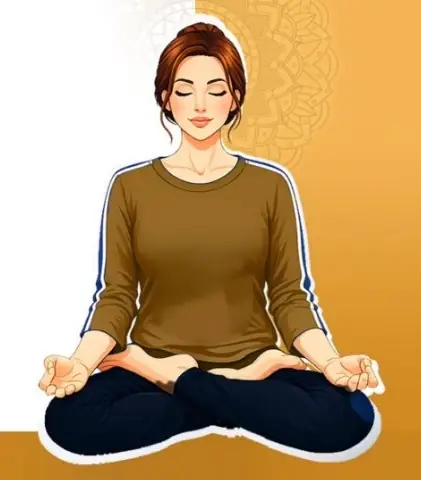
In today’s fast-paced world, where stress dominates daily life, yoga and pranayama emerge as vital tools for maintaining physical and mental well-being. The Ministry of AYUSH under the Government of India has strongly recommended incorporating pranayama into routines, highlighting its role in mastering breath control and fostering life balance.
Patanjali’s Yoga Sutras classify pranayama into four primary categories, each defined by the movement and flow of breath. Regular practice promises a healthier body, calmer mind, and sharper focus. Experts advise starting slowly under guidance, with just 10-15 minutes daily yielding remarkable benefits. Beyond physical fitness, it combats anxiety, tension, and sleeplessness effectively.
The first type, Bahyavrtti or Rechaka, focuses on complete exhalation. By forcefully expelling air from the lungs, toxins are flushed out, lungs get cleansed, and stress levels drop significantly. This foundational practice sets the stage for deeper techniques.
Next comes Abhyantaravrtti, known as Puraka, emphasizing deep inhalation. Drawing in controlled, ample breaths boosts oxygen supply, energizes the body, and enhances mental concentration, making it ideal for those seeking vitality.
Stambhavrtti, or Kumbhaka, is the third and crucial phase involving breath retention. Divided into Antah Kumbhaka (holding after inhalation) and Bahya Kumbhaka (holding after exhalation), it accumulates vital prana energy, promotes profound tranquility, and deepens meditation. Beginners must proceed cautiously with expert supervision.
The advanced fourth type, Bahyabhyantar Vishaya Aksepi or Chaturtha, transcends conventional breathing. Here, breath flow halts naturally, leading to a superior state of pranayama mastery. Achieved through prolonged practice, it grants total breath control and profound spiritual insights, transforming practitioners into true yogis.