
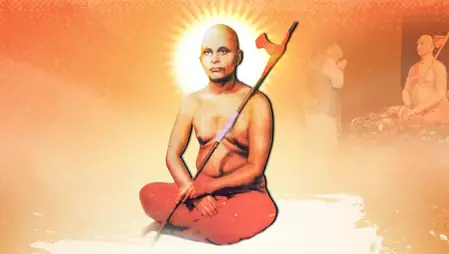
New Delhi witnessed a wave of reverence on Sunday as leaders across the political spectrum paid homage to Swami Sahajanand Saraswati, the pioneering farmer leader and social reformer, on his birth anniversary. Born on February 22, 1889, Swami Sahajanand is hailed as the architect of organized peasant movements in India, whose legacy continues to inspire fights for social justice and agrarian rights.
Union Home Minister Amit Shah set the tone with a heartfelt post on X, praising the swami’s lifelong dedication to uniting a fragmented society divided by caste, religion, and sect. ‘Swami Sahajanand Saraswati devoted his life to weaving the nation together in unity, rallying farmers for the freedom struggle and awakening society against social evils,’ Shah wrote, concluding with profound respects on his jayanti.
Echoing this sentiment, Union Agriculture Minister Shivraj Singh Chouhan described him as a great social reformer, philosopher, and protector of farmers’ interests, belonging to the Dandi Sannyasi order of the Adi Shankaracharya tradition. ‘His ideal life and noble thoughts will forever inspire us towards national, societal, and farmer welfare,’ Chouhan posted.
Union Minister for Women and Child Development Annapurna Devi offered shat-shat naman to the freedom fighter and leader of peasant movements. BJP National President Nitin Nabin also joined in, calling him a karmayogi, social reformer, and profound thinker whose ascetic life remains a beacon for farmer welfare, social awakening, and rights of the marginalized.
Swami Sahajanand’s contributions were monumental. In 1929, he founded the Bihar Provincial Kisan Sabha, followed by a pivotal role in establishing the All India Kisan Sabha in 1936. His relentless campaign against zamindari oppression galvanized farmers not just in Bihar but across India, laying the groundwork for independent peasant agitations and infusing a new consciousness in rural India.
Today, as India grapples with modern agricultural challenges, the swami’s vision of equity and unity resonates deeply. His life exemplifies how spiritual leadership can fuel revolutionary change, reminding leaders and citizens alike of the power of collective action against injustice. The tributes pouring in underscore his enduring relevance in India’s socio-political fabric.