
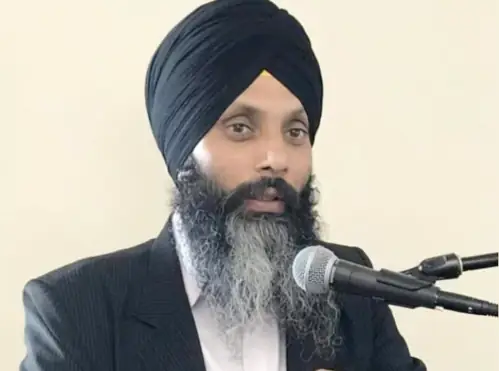
In a stark revelation, a new report has slammed Canadian media outlets for repeatedly referring to Hardeep Singh Nijjar, a designated Khalistani terrorist, as a ‘Sikh leader.’ This dangerous misrepresentation, according to the analysis from Khalsa Vox, risks erasing critical facts and reshaping public perception in profound ways.
Nijjar, gunned down in Surrey, British Columbia, in June 2023, was long recognized internationally as a key figure in violent separatist plots. Labeled a terrorist by India and linked to extremist groups, his portrayal in recent Global News Canada coverage as a ‘B.C. Sikh leader’ has ignited fierce debate. The report argues this isn’t mere semantics—it’s a deliberate blurring of lines that dishonors terror victims and glamorizes militants.
Delving deeper, the document highlights how such framing sidelines Nijjar’s alleged ties to Pakistan’s ISI and involvement in training camps. By reducing him to a victim of rights abuses, media narratives potentially radicalize diaspora youth, ignoring the bloodshed linked to outfits like the Khalistan Tiger Force in Punjab.
The broader implications are chilling. In an era of identity politics, legitimizing terrorists as community voices undermines global counter-extremism efforts, whether against Islamist radicals, far-right agitators, or separatists. Historical scars like Canada’s Air India bombing tragedy serve as grim reminders of Sikh militancy’s toll.
Experts urge media to prioritize verified facts, explicitly noting terror designations and criminal records. Governments, too, must apply consistent standards, free from political pressures, to safeguard communities and prevent the normalization of violence under cultural guises.