
New Delhi’s Commerce Ministry has responded cautiously to dramatic developments in the United States over import tariffs. In a statement released Saturday, the ministry noted it is closely monitoring the repercussions of a landmark US Supreme Court decision and subsequent moves by President Donald Trump.
The Supreme Court, in a 6-3 ruling on Friday, struck down broad tariffs imposed by Trump, deeming them unconstitutional. The court held that only Congress holds the authority to levy such duties under the US Constitution, not the executive branch acting unilaterally via the 1977 International Emergency Economic Powers Act.
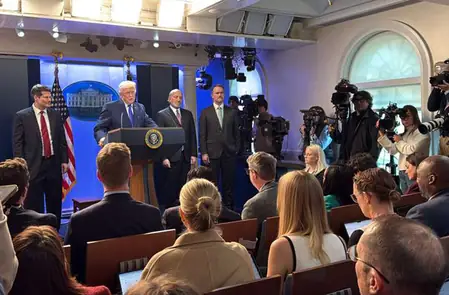
Hours after the verdict, Trump held a press conference announcing a workaround. Invoking Section 122 of the Trade Act of 1974, he introduced a 10% tariff on imported goods into the US for a 150-day period, effective February 24. This temporary measure targets fundamental international payments issues facing America.
A White House fact sheet clarified exemptions for critical items: key minerals, metals used in currency and bullion, energy products, natural resources, fertilizers, select agricultural goods, pharmaceuticals, certain electronics, passenger vehicles, and more. The goal is to address balance-of-payments challenges without disrupting essential supplies.
Additionally, Trump directed the US Trade Representative to probe unfair foreign practices under Section 301 that burden American commerce. India’s ministry emphasized its ongoing assessment: ‘We have noted the US Supreme Court ruling on import duties and President Trump’s press conference. We are studying the impacts of these developments.’
As global trade tensions simmer, New Delhi’s measured approach signals preparedness for potential shifts in bilateral economic ties. Analysts predict ripple effects on exports, with India watching how this unfolds amid its own trade negotiations.