
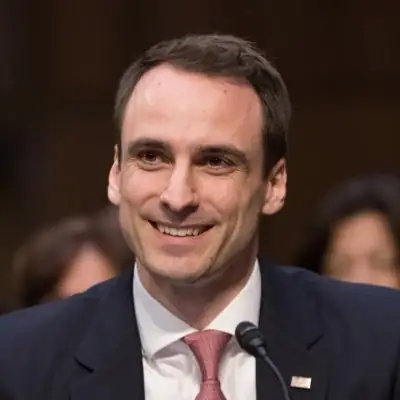
In a bold stance at the India AI Impact Summit 2026 in New Delhi, the United States firmly rejected the idea of a centralized global framework for artificial intelligence governance. Michael Kratsios, Director of the White House Office of Science and Technology Policy, led the American delegation and delivered a clear message on AI policy and national sovereignty.
Kratsios emphasized that each nation should craft its own AI strategies tailored to its unique needs and national interests. ‘We reject global AI governance outright,’ he declared, echoing the Trump administration’s repeated position. He argued that placing AI under bureaucratic control or centralized leadership would stifle innovation and hinder progress.
‘AI governance must remain local and aligned with national interests,’ Kratsios stated. He stressed that regulations should focus on specific local needs rather than imposed international standards. True AI sovereignty, he explained, means owning and utilizing world-class technology to benefit one’s people and shape the nation’s destiny amid global shifts.
Warning against unrealistic complete technological self-reliance, Kratsios noted the complexity of AI stacks makes total independence impractical. However, nations can achieve strategic autonomy through rapid AI adoption. The US stands ready to assist, he added, urging countries to partner via the American AI Exports Program launched by the President.
This initiative aims to unlock AI-driven prosperity through independent partnerships. Supporting it are new AI-focused programs from the US International Development Finance Corporation, Export-Import Bank, US Trade and Development Agency, Millennium Challenge Corporation, and a fresh World Bank fund to overcome financial barriers.
Kratsios also unveiled the Tech Corps, a volunteer technical talent pool to help partner nations deploy AI in public services. He highlighted how developing economies lag due to financial hurdles and technical gaps, positioning them at a pivotal transformation point.
‘AI’s gold standard is made in America,’ Kratsios proclaimed, underscoring US technological leadership. This position reinforces America’s commitment to fostering AI growth on national terms while extending a hand to allies.