
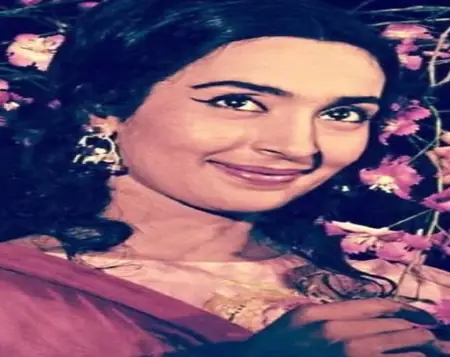
Mumbai’s silver screen has seen many legends, but few stories are as inspiring as Nutan’s journey from self-doubt to stardom. On the eve of her death anniversary on February 21, we revisit the life of the actress who captivated hearts with her innocent charm in films like ‘Aakhri Daav’ from 1958. Those haunting lines from the song – ‘Tujhe kya sunaoon main dilruba’ – still echo, showcasing her timeless beauty.
Yet, Nutan grappled with insecurities about her looks from a young age. Born into a film family, with mother Shobhna Samarth as a noted actress, Nutan faced ridicule even from relatives. A family friend bluntly called her ‘ugly’ compared to her glamorous mother, shattering her confidence. Nutan once shared in an interview how this comment stung, making her question her place in cinema.
But Shobhna wasn’t one to let her daughter falter. She instilled belief, promising that Nutan’s features would bloom with time. To build her up, Shobhna sent Nutan abroad for studies, helped her shed weight, and even produced a film to launch her properly. Nutan’s early tryst with films began as a child artist in ‘Nal Damayanti’ and ‘Nagina’. Success trickled in, silencing critics among relatives who soon swelled with pride.
At just 14, she was offered the iconic Anarkali role in ‘Mughal-e-Azam’ by K. Asif, but lack of self-assurance made her decline. Undeterred, Nutan honed her craft overseas, polishing her acting skills and English diction. Her grand comeback in 1955 with ‘Seema’ marked the turning point. Hits followed – ‘Sone Ki Chidiya’, ‘Bandini’, ‘Milan’ – earning her four Filmfare Awards and a lasting legacy spanning four decades.
Nutan’s story is a testament to resilience. She shattered conventions, proving beauty lies in talent and determination. From an unsure teen to Hindi cinema’s shining star, her mother’s unwavering support lit the path. Today, as fans remember her on her punyatithi, Nutan’s grace continues to inspire generations.