
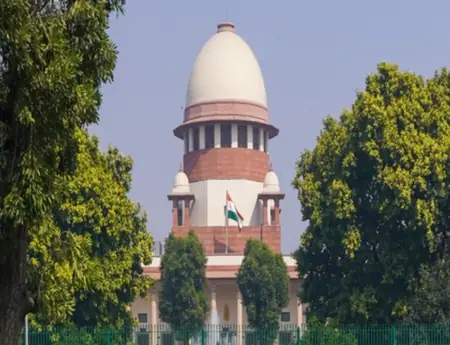
New Delhi’s Supreme Court has finally scheduled hearings for the long-pending petitions challenging the Citizenship Amendment Act (CAA), marking a significant step in one of India’s most contentious legal battles. Starting May 5, 2026, the court will begin addressing these cases, prioritizing petitions from across the country while deferring those linked to Assam and Tripura.
Chief Justice of India DY Chandrachud emphasized the need for a clear timeline, instructing that all national cases be heard first. This comes after years of delays, with 237 petitions currently pending before the apex court. Critics argue the 2019 law discriminates on religious lines by fast-tracking citizenship for non-Muslim refugees from Pakistan, Bangladesh, and Afghanistan, while excluding Muslims.
The CAA’s rules were officially notified by the central government on March 11, 2024, sparking fresh lawsuits. During the latest hearing, Solicitor General Tushar Mehta reminded the bench of a 2020 order categorizing cases into two groups: nationwide issues and those specific to the northeastern states. The Chief Justice agreed, ensuring a structured approach to the backlog.
Petitioners have been granted dedicated time to present arguments, with provisions for supplementary documents. This development reignites debates over constitutionality, equality, and India’s secular fabric. As the nation watches closely, the court’s forthcoming verdict could reshape citizenship policies for millions, underscoring the judiciary’s pivotal role in balancing legislative intent with fundamental rights.
The law, passed amid nationwide protests in 2019, has polarized opinions. Supporters view it as humanitarian relief for persecuted minorities, while opponents decry it as a breach of Article 14’s equality clause. With hearings now locked in, stakeholders brace for detailed scrutiny that promises to test the limits of India’s constitutional framework.