
Gulmarg is gearing up to host the next edition of the Khelo India Winter Games from February 23-26, transforming into a vibrant hub that exemplifies the government’s ambitious ‘Khelo India’ initiative. This policy, launched by the Ministry of Youth Affairs and Sports in July last year, aims to fortify India’s sporting ecosystem while driving economic growth through major events. As preparations intensify, tourism and local businesses are already feeling the surge.
The strategy focuses on building robust infrastructure, scouting hidden talents, and boosting international competitiveness. It extends its reach to allied sectors like tourism, manufacturing, and sports technology, creating a ripple effect across the economy. In Gulmarg, a picturesque skiing destination in Jammu and Kashmir, this approach is bearing fruit. The event has consistently drawn crowds, spiking interest among travelers and injecting life into the region.
Top Indian skiers, including Winter Olympians, are set to compete, fueling excitement among locals whose livelihoods hinge on sports tourism. Hotelier Abid from Sheen Woods in Tangmarg reports bookings surging weeks in advance. ‘This is more than tourism; it’s our identity,’ he says, pointing to lobbies filled with athletes from Madhya Pradesh, Haryana, Kerala, Telangana, and Jammu and Kashmir. ‘During the Games, Gulmarg feels like the heart of India—languages from across the nation echo everywhere.’
The Games have grown steadily since their debut in 2020, which saw 1,123 athletes compete, with Jammu and Kashmir topping the medals tally. Participation rose to 1,208 in 2021, where hosts clinched 18 golds. The 2023 edition peaked at 1,395 participants, yielding 26 golds, 25 silvers, and 25 bronzes for the region. Though 2024 and 2025 had fewer events, teams from the Army, Himachal Pradesh, and Karnataka shone brightly.
Despite a dip in domestic tourists post the April 2025 terror attack in Pahalgam—from 2.6 million in 2024 to about 1.047 million in 2025—momentum is rebounding. New Year crowds and anticipation for the Winter Games are drawing visitors back. Over 2,300 hotels and huts in Gulmarg are more than 50% booked already.
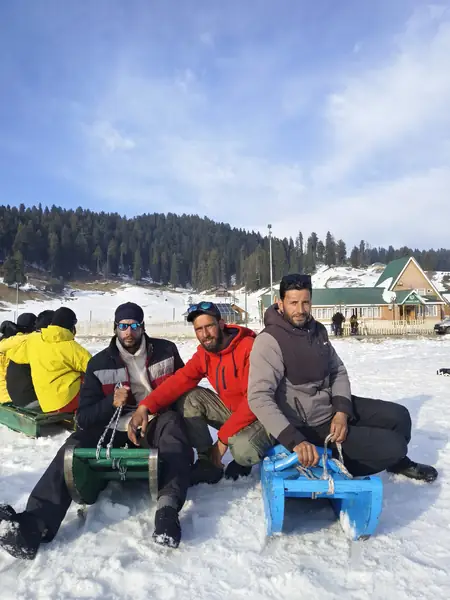
Beyond accommodations, opportunities abound. On Kongdori slopes, sled operators like Altaf Hussain and Mohammad Rafiq prepare for the rush. ‘This is our season,’ Hussain shares. ‘Gulmarg comes alive. We earn 500-1,500 rupees per ride, up to 3,000 daily during peak times.’
The 2026 edition will feature ski mountaineering, alpine skiing, Nordic skiing, and snowboarding. Far from a mere competition, the Khelo India Winter Games underscore how sports policy can revitalize local economies, nurture national sporting culture, and cement Gulmarg’s status as India’s winter sports capital.