
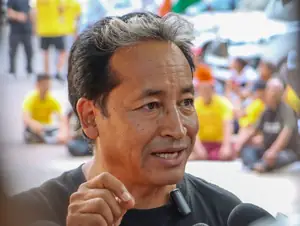
New Delhi is bracing for a pivotal Supreme Court hearing on Thursday, where the detention of Ladakh activist Sonam Wangchuk faces intense scrutiny. Filed by his wife, Geetanjali Angmo, the petition demands his immediate release, alleging serious procedural lapses in his arrest last September.
The case stems from Wangchuk’s speeches, which authorities claim incited violence during Ladakh protests that left four dead and hundreds injured. Earlier this week, the court grilled the Centre over the accuracy of translated transcripts of these speeches. Justices Arvind Kumar and P.B. Varale expressed dismay at discrepancies between original recordings and official versions.
“There should be no difference in what the speech says,” the bench asserted, emphasizing the need for verbatim fidelity. They ordered the original pen drive from Wangchuk’s arrest to be produced in court by Thursday, underscoring their commitment to factual integrity over interpretive disputes.
Senior advocate Kapil Sibal, representing Wangchuk, slammed the detention order as unprecedented. “You’re relying on something that doesn’t exist,” he argued, pointing out missing statements in the government’s charts. The bench agreed, demanding authentic transcripts to resolve the inconsistencies.
This hearing caps a week of rigorous judicial probing into what Angmo calls a flawed custody process. Wangchuk wasn’t properly informed of arrest grounds, and his past speeches were allegedly misrepresented to pin blame for the violence. As the matter is deferred to Thursday, all eyes are on whether the court will order his release or deepen the investigation.
The outcome could set precedents for activist detentions under stringent laws, highlighting tensions between security concerns and civil liberties in sensitive border regions like Ladakh.