
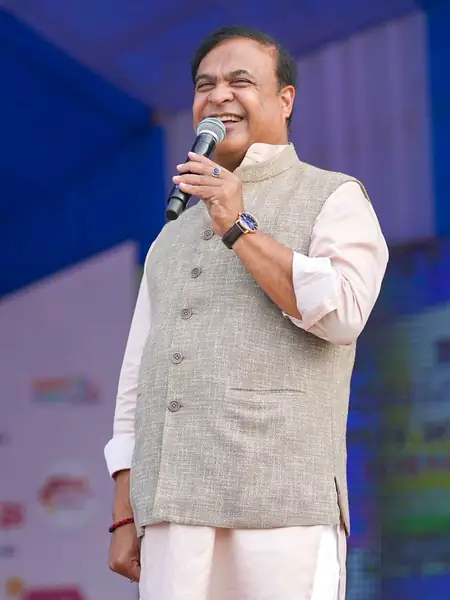
In a landmark decision, the Assam Cabinet has greenlit a 3% reservation for tea garden tribes and indigenous communities in top-tier government positions. Chief Minister Himanta Biswa Sarma announced this move on Tuesday, hailing it as a vital step toward uplifting one of the state’s most marginalized groups.
The approval came during a cabinet meeting at the Assam Legislative Assembly complex in Dispur. This policy extends beyond existing quotas in lower-grade posts, now opening doors to first and second-class jobs for these communities.
Sarma emphasized that the decision underscores the government’s commitment to greater representation of tea tribe and Adivasi youth in policymaking and administrative roles. Despite their pivotal role in Assam’s tea industry, which fuels the state’s economy, these groups have historically been underrepresented in senior positions.
By broadening access to higher services, the cabinet aims to create new opportunities for educated youth from these backgrounds, boost higher education pursuits, and address longstanding social and economic disparities.
Beyond reservations, the cabinet approved a vote-on-account budget for early 2026-27 fiscal months, set for the Assam Assembly. It also sanctioned initial capital for 107,532 additional eligible women from self-help groups under the Chief Minister Mahila Udyamita Aajeevan (MMUA) scheme.
Infrastructure wins included nod for a second Sainik School in Longku, Karbi Anglong, post-DPR clearance from the Defence Ministry, and land allotment over 31 bighas in Dhemaji to Assam Cricket Association for sports facilities. Rs 20 crore was allocated for integrated development of Borpheeti complex in Jorhat to promote heritage tourism.
Other measures: extending earned leave for school teachers to 15 days and easing promotion norms via amendments to Assam Agricultural Service Rules. Sarma noted these steps highlight Assam’s balanced focus on social justice, jobs, infrastructure, and inclusive growth.