
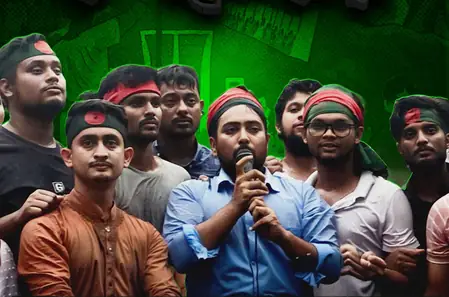
Washington, Feb 16 – A new analysis from the Council on Foreign Relations (CFR) reveals a stark reality for Bangladesh’s youth-led revolution. The massive Gen Z protests that toppled former Prime Minister Sheikh Hasina in August 2024 marked a historic triumph on the streets, but recent election results show they faltered at the ballot box.
Senior Fellow Joshua Kurlantzick, an expert on Southeast and South Asia, dissects how these protests inspired waves across Asia and beyond. From Nepal’s prime ministerial ouster to stalled movements in Indonesia, the Bangladesh uprising became a beacon for Gen Z activism. Echoes reached Madagascar, parts of Africa, and the Caribbean, signaling a global trend of youth rebellion against entrenched power.
Yet, Kurlantzick argues, ‘Gen Z protests have surged worldwide, winning battles on the streets but suffering defeats in elections.’ In Thailand, the youth-backed People’s Party crumbled in national polls. Japan’s Liberal Democratic Party crushed emerging Gen Z challengers. And now Bangladesh mirrors this pattern.
Sheikh Hasina’s exit paved the way for elections, but victory went to the Bangladesh Nationalist Party (BNP), the long-standing rival in the country’s bipolar political duopoly. Despite sweeping votes, many Bangladeshis distrust the BNP, viewing it as more of the same.
Student leaders from the 2024 protests formed the National Citizen Party (NCP), contesting 30 seats but securing only six—a dismal showing, per Kurlantzick. Voters opted for BNP’s promises of democratic restoration, economic revival, anti-corruption drives, and constitutional overhauls.
The real test lies ahead: Will BNP deliver? If not, Bangladesh risks cycling back to old woes. Kurlantzick warns that failure to reform would expose the party’s unchanged stripes. Meanwhile, runner-up Jamaat-e-Islami, rebranded for the polls but tainted by past violence and misogyny, underscores persistent risks. Pre-election murders and unrest plagued the campaign, a grim Bangladeshi tradition.
Despite a fair voting day, the election highlights Gen Z’s street power versus electoral fragility. As Bangladesh navigates this crossroads, the youth movement’s future hangs in the balance.