
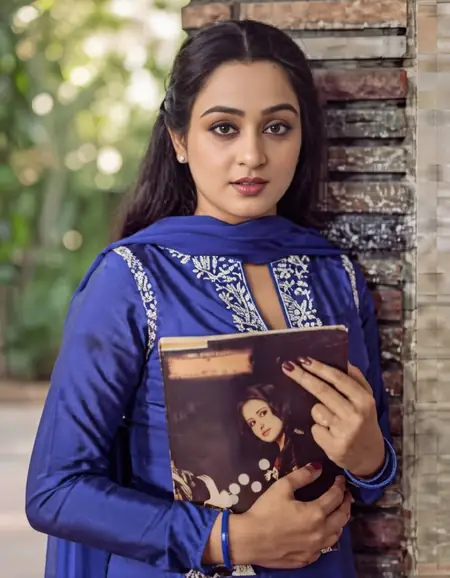
Mumbai’s film landscape has undergone a seismic shift, leaving behind icons like Shoma Anand who thrived in an era of heartfelt family dramas. Born on February 16, 1958, in the bustling heart of Mumbai, Shoma carved her niche in the 1970s and 1980s with roles that resonated deeply with audiences focused on societal bonds and emotional depth.
Her debut came in 1976 opposite the late Rishi Kapoor, marking the start of a prolific career alongside Bollywood’s biggest stars. As blockbusters evolved into high-octane action spectacles packed with rapid cuts and bold narratives, Shoma found herself increasingly disconnected. In a candid interview, she revealed her discomfort with contemporary cinema’s emphasis on noise over nuance, where character depth often takes a backseat to explosive sequences.
‘I can’t relate to this modern cinema,’ she confessed, highlighting how today’s films lack the emotional pull that defined her golden years. Preferring roles with genuine connection, Shoma gracefully stepped back from the silver screen, channeling her talents into television instead.
Shows like ‘Hum Paanch’ catapulted her to household fame, portraying a quirky mother figure that endeared her to millions. She followed with versatile performances in ‘Shraddha,’ ‘Maayka,’ ‘Jeannie Aur Juju,’ and ‘Khelti Hai Zindagi Ank Micholi,’ seamlessly blending comedy and family drama.
Personal life brought its share of trials too. Married to director-actor Tariq Shah, Shoma faced profound loss with his passing in 2021. Choosing family, especially time with daughter Sara Shah, over industry demands, she embraced a quieter life. Shoma’s story underscores a poignant divide in Bollywood—between eras of substance and the spectacle-driven present.