
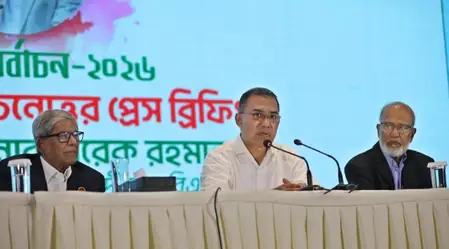
Dhaka is buzzing with anticipation as Bangladesh prepares for a historic political transition. Following the resounding victory of the Bangladesh Nationalist Party (BNP) in the 13th parliamentary elections, the party is poised to form the new government. Elected lawmakers are scheduled to take their oaths on Tuesday, February 17, marking the beginning of a new era.
Interim government chief advisor Professor Muhammad Yunus has extended formal invitations to leaders from 13 countries for the cabinet swearing-in ceremony. The guest list includes heavyweights like China, Saudi Arabia, India, Pakistan, Turkey, UAE, Qatar, Malaysia, Brunei, Sri Lanka, Nepal, Maldives, and Bhutan. This international presence underscores the global significance of Bangladesh’s political shift.
The day will kick off in the morning with newly elected parliament members swearing allegiance in the Jatiya Sangsad Bhaban. Come evening, the new cabinet will be unveiled, with oaths administered under the supervision of Chief Election Commissioner AMM Nasir Uddin. Preparations are in full swing at the parliament secretariat, as confirmed by Secretary Kaniz Mula.
The elections, held on February 12 across 299 of 300 seats, saw BNP clinch 209 victories out of 297 declared results. Allies secured three more, while Jamaat-e-Islami grabbed 68 seats, its coalition partners nine, and independents seven. Two Chittagong seats remain pending due to court orders. Tarique Rahman, long in exile, is set to steer the nation, ending over three decades without a male prime minister.
Yet, experts caution that Bangladesh faces daunting challenges ahead. Rising unrest and the surge in Islamic extremism demand urgent attention from the incoming administration. As the nation turns the page, all eyes are on how the new leadership will navigate these turbulent waters to foster stability and progress.