
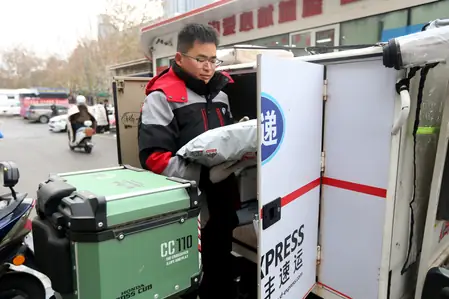
As dawn breaks at 6 AM in Chinese cities, while most are still asleep, electric bikes zip through streets and alleys. Delivery riders kick off their grueling day, embodying the new jobs born from the digital economy. Affectionately called ‘brothers’ and ‘sisters’ by locals, they rush to fulfill daily needs for millions of households.
These riders serve as the vital endpoints of China’s massive logistics network, bridging warehouses to residential areas and delivering global goods right to doorsteps. Over the past decade, express parcel volumes have skyrocketed, hitting over 1.099 trillion last year—translating to more than 6,200 packages per second. Behind these staggering figures lies the relentless effort of countless delivery workers.
In the era of booming e-commerce, they transform digital convenience into real-world reality, linking production to consumption. Without them, online orders remain mere data points. They enable ‘instant gratification,’ accelerating deliveries of fresh food, medicines, and retail items. This instant logistics not only meets citizen demands but invigorates urban micro-economic cycles, helping small businesses reach wider audiences, fresh farm produce hit city tables directly, and services arrive with precision.
The express delivery sector’s low entry barriers and high flexibility have created jobs for many. Hard work yields solid income, attracting rural migrants who settle in cities through this profession. For consumers, food and courier services are essentials, especially in bad weather when riders become indispensable. For SMEs and individual traders, they’re a lifeline—without them, businesses would plummet. Like a hydroelectric network, they ensure the city’s smooth operation.
During the 2026 Spring Festival, President Xi Jinping met delivery riders in Beijing’s Shichahai district, inquiring about their work and lives. This wasn’t his first such encounter; in 2019, before Spring Festival, he visited a courier station, praising their toil through rain or shine, calling them the ‘hardest-working bees’ providing convenience to people.
Xi’s recognition has elevated the profession’s status, drawing public attention and respect. Complaints about delays or errors have dwindled; in harsh weather, people greet riders warmly, offering comfort amid rain and wind. Many riders now contribute to urban welfare—rushing to emergencies, aiding police, spotting security threats, delivering meals to the elderly voluntarily, and clearing trash. Their actions spread positive energy, as they safeguard the city with their strength.