
Every February 13, the world tunes in to celebrate World Radio Day, a UNESCO initiative highlighting the enduring power of radio. This year’s theme, ‘Radio and Artificial Intelligence,’ spotlights how this timeless medium is evolving with cutting-edge technology.
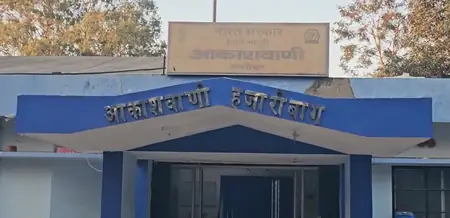
In the quiet studios of All India Radio in Hazari bagh, broadcasters share a unanimous view: radio remains a vital pulse in people’s lives. Despite the digital revolution, with smartphones and streaming services dominating, radio’s charm persists. It delivers news, education, and entertainment seamlessly, adapting to modern demands while staying rooted in tradition.
Senior announcer Rajiv Kumar reflects on radio’s journey. ‘From carrier pigeons to letters, telegraphs, and newspapers, communication has transformed,’ he says. ‘Radio stands out for its balanced mix of information, learning, and fun. Its relevance endures in the digital age, though the future remains uncertain.’
Prime Minister Narendra Modi’s ‘Mann Ki Baat’ has breathed fresh life into the medium. This monthly broadcast reaches millions, fostering direct conversations on current issues. Prakash Rana, another local voice, credits Modi for rekindling radio’s popularity. ‘It has brought radio back into every home, strengthening listener bonds,’ he adds gratefully.
Alka Kumar, a prominent female announcer, notes the shift in accessibility. ‘Gone are the days of fixed radio sets; now, mobiles make it ubiquitous,’ she explains. Live sports coverage and special programs have boosted listenership, especially since Modi’s involvement. ‘Mann Ki Baat has carved a special place in hearts, with eager audiences awaiting each episode.’
As AI integrates with broadcasting, radio’s adaptability shines. In Hazari bagh and beyond, these voices affirm that radio’s melodic rhythm continues to resonate, powered by innovation and leadership.