
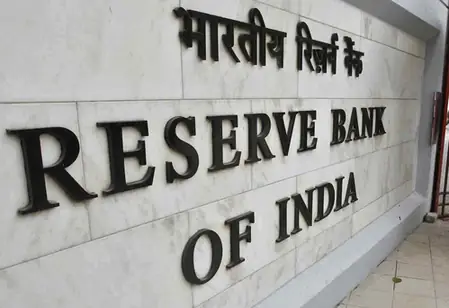
Mumbai’s financial landscape is buzzing with a key development from the Reserve Bank of India (RBI). The central bank has opened the floor for public comments on its draft circular revising the Lead Bank Scheme (LBS), a cornerstone initiative for rural banking coordination. Stakeholders have until March 6, 2026, to submit their suggestions via email.
This move follows an announcement by RBI Governor Sanjay Malhotra on February 6 during his statement on developmental and regulatory policies. He highlighted the need to streamline operational aspects of the LBS, promising revised guidelines soon to enhance efficiency.
The draft aims to refine the scheme’s structure by clarifying the composition, membership, and agendas of various forums under LBS. It also seeks to define roles and responsibilities for key officials more sharply while bolstering State Level Bankers’ Committees (SLBCs) and Lead District Manager offices.
Launched by RBI in December 1969, the Lead Bank Scheme assigns a specific bank to lead coordination efforts in each district. This lead bank spearheads activities among credit institutions and government bodies to boost credit flow to priority sectors and foster overall rural development.
Over the years, the scheme has adapted to financial sector changes. The last major review came in 2009 from a high-level RBI committee, which engaged state governments, banks, development agencies, academics, NGOs, and MSMEs. The panel affirmed the scheme’s success in branch expansion, deposit mobilization, and priority sector lending, especially in rural and semi-urban areas.
Consensus emerged to continue the scheme, leading to implementation guidelines for SLBC convenor banks and lead banks. Notably, private sector banks were urged to play active roles. With this new draft, RBI is poised to modernize LBS further, ensuring it remains relevant in India’s evolving banking ecosystem.