
New Delhi buzzed with reactions from Indian political figures following the parliamentary election results in Bangladesh, where the Bangladesh Nationalist Party (BNP) secured a decisive win. Leaders across the spectrum offered their perspectives on the outcome and its implications for bilateral ties.
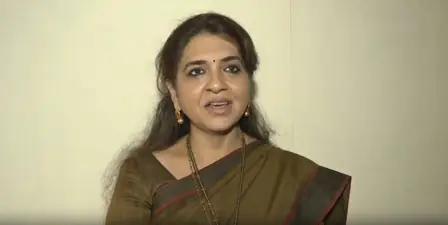
Shiv Sena spokesperson Shaina NC emphasized the natural cycle of democracy, noting that victories and defeats are part of the game. She highlighted Prime Minister Narendra Modi’s congratulations to the BNP leadership and echoed sentiments from her party chief Eknath Shinde for a progressive, democratic, and inclusive Bangladesh. ‘This is essential to curb infiltration and boost development,’ she told IANS. As neighboring nations, she stressed the need for assured security in the national interests of both countries.
BJP spokesperson Pratul Shah Dev welcomed the return of democracy wherever it happens, underscoring India’s supportive stance. JD(U) national spokesperson Rajiv Ranjan pointed to the long queues of voters in Bangladesh and credited BNP leader Khaleda Zia’s son Tarique Rahman for steering the party to a major triumph.
Congress MP Imran Masood raised concerns over the safety of Hindus in a progressive Bangladesh, insisting that atrocities against them must stop before any further discussions. BJP leader Dilip Ghosh expressed optimism that peace would soon return to Bangladesh, paving the way for renewed development.
BJP MLA Vikram Randhawa observed that groups linked to Jamaat-e-Islami are being marginalized across regions like Jammu-Kashmir, Bangladesh, and Pakistan. He praised the Bangladeshi populace for their positive choice, propelling Khaleda Zia’s party forward. CPI(M) leader MY Tarigami noted the significant voter turnout despite restrictions on the Awami League and lauded the rejection of extremism despite Jamaat-e-Islami’s efforts.
PDP MLA Aga Syed Muntazir Mehdi highlighted the jump in voter participation to nearly 47 percent from previous lows of 4-5 percent, congratulating Bangladeshis for shaping their future through active voting. These responses reflect a mix of optimism, caution, and calls for stability in the region.