
Washington is buzzing with heated debates in the US Senate over stringent federal immigration laws and their impact on civil liberties. Immigrant communities, including Indian visa holders and green card applicants, are growing increasingly anxious amid the political firestorm.
The Senate Homeland Security and Governmental Affairs Committee delved into ‘Operation Metro Surge,’ a massive enforcement drive in Minnesota triggered by clashes between federal agents and protesters. The hearing spotlighted the tragic deaths of two US citizens, Renee Good and Alex Predi, in separate encounters with federal agents.
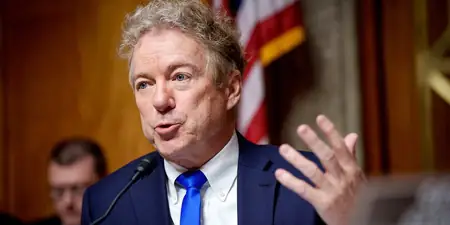
Committee Chairman Senator Rand Paul emphasized restoring public trust, underscoring that filming government officials in public is a constitutional right. He urged leaders to avoid inflammatory rhetoric that escalates tensions.
Ranking Member Senator Gary Peters accused federal officials of using ‘violent and heavy-handed tactics.’ He criticized the administration for portraying victims as aggressors in a misleading narrative.
Minnesota Attorney General Keith Ellison labeled it the largest single immigration enforcement operation in US history, demanding its immediate halt. He clarified that the state isn’t refusing legal cooperation and targeted enforcement isn’t the issue.
Republicans pushed back fiercely. Representative Tom Emmer argued that state leaders have turned Minnesota into a sanctuary for criminal illegal immigrants, and the unrest was entirely preventable.
In another panel, ICE Acting Director Todd Lyons revealed agents face constant threats and attacks, stressing no US citizens fall under immigration enforcement.
US Customs and Border Protection Commissioner Rodney Scott affirmed filming officers isn’t a crime. Both officials noted ongoing investigations into the shootings, with footage to be released in due time.
Discussions also touched on coordination gaps between Minnesota and federal agencies. Senator Paul suggested better alignment on final deportation orders could ease tensions significantly.
As the nation grapples with immigration reform, this hearing underscores deep partisan divides and the human cost of enforcement policies.