
Bhopal/Bilaspur: Organizations across Madhya Pradesh and Chhattisgarh have come out strongly against the nationwide strike called by trade unions protesting the new labor codes. They dismissed the action as purely politically motivated, accusing unions of using workers as pawns at the behest of their political masters.
Deepak Jaiswal, a veteran with over 42 years in trade unions and welfare organizations at national and international levels, praised the central government’s labor reforms. ‘The BJP-led government has prioritized workers’ social security and health,’ he emphasized.
As National President of the National Front of Indian Trade Unions (NFITU), Jaiswal highlighted the long-overdue need for reform. ‘For two decades, the Borlaug Commission reviewed outdated colonial-era labor laws from 1947. Previous governments ignored its recommendations. The current administration held over 100 consultations with stakeholders, simplifying archaic rules into modern codes tailored to today’s needs.’
NFITU General Secretary Virat Jaiswal called the new laws a cornerstone for ‘Viksit Bharat 2047.’ They extend social security to gig workers and formalize benefits for millions, he noted.
Criticizing the strikers, Virat Jaiswal said, ‘This is propaganda for a political strike, unrelated to genuine worker interests. Unions are firing shots from workers’ shoulders on cues from political bosses, detached from reality.’
Umang Bansal, National Coordinator of ‘Fight for Right,’ labeled the strike ‘entirely politically driven with no national impact.’ He urged dialogue over disruption: ‘Government schemes benefit laborers. Any shortcomings should be addressed through consultations, not strikes.’
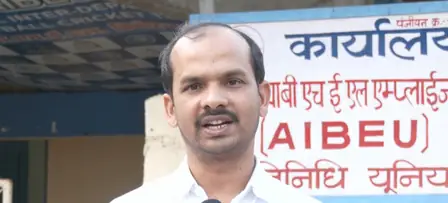
Satendra Kumar from the All India BHEL Employees Union echoed this, calling Thursday’s strike fueled by political ambitions. ‘These codes advance ‘One Nation, One Law,’ ensuring equal pay for equal work and robust social security,’ he said.
The opposition underscores a divide: while some see reforms as progressive, others view strikes as opportunistic. As debates rage, the new labor framework promises streamlined regulations for a dynamic workforce.