
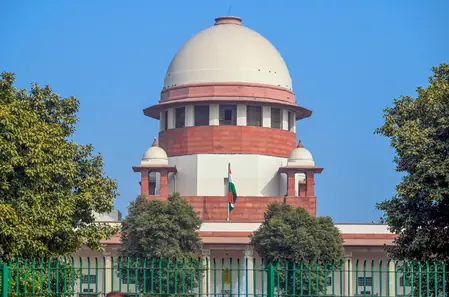
In a developing religious dispute gripping Karnataka, the Supreme Court of India has signaled it may fast-track a petition challenging the proposed Mahashivratri celebrations at the Ladle Mashk Dargah in Kalaburagi district. The controversy centers on a Shivling structure named after saint Raghav Chaitanya, installed within the 14th-century Sufi shrine’s premises.
Senior advocate Vibha Datta Makhija, representing the dargah management, urged Chief Justice Suryakant to list the matter before February 15, coinciding with Mahashivratri. ‘They plan Shivratri events at the Aland Dargah in Kalaburagi. Can we hear it before February 15?’ she pleaded during Wednesday’s hearing.
CJI Suryakant expressed concern over petitioners bypassing high courts, questioning the trend of direct Article 32 approaches. ‘Why does every case come under Article 32? It suggests law is used selectively, rendering high courts redundant. We’ll consider this,’ he remarked, hinting at broader judicial implications.
The Ladle Mashk Dargah honors Sufi saint Hazrat Sheikh Alauddin Ansari from the 14th century, alongside 15th-century Hindu saint Raghav Chaitanya, guru to Samarth Ramdas and revered by Chhatrapati Shivaji. The site houses Chaitanya’s samadhi, topped with the contested Raghav Chaitanya Shivling.
Historically, the shrine has been a syncretic space where Hindus and Muslims co-worshipped. Tensions escalated recently over worship rights and site modifications. The fresh petition demands halting Shivratri pujas and barring changes that alter the site’s religious character, alleging organized efforts to Hinduize it.
Petitioners seek status quo ante before this year’s festival, citing last year’s Karnataka High Court order allowing limited Hindu worship under strict controls—15 devotees at fixed times with heavy security. Prior arrangements staggered timings for both communities to avert clashes.
As Mahashivratri approaches, the Supreme Court’s decision could set precedents for shared sacred spaces amid rising communal frictions. Stakeholders await clarity on whether urgent intervention will preserve harmony or ignite further debate.