
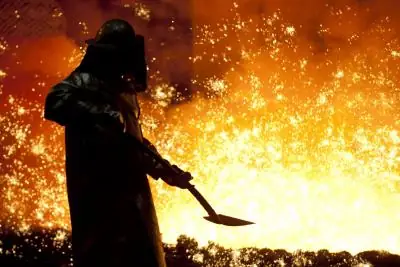
New Delhi witnessed a bold declaration from Prime Minister Narendra Modi on Wednesday, positioning carbon capture technology as the cornerstone of a transformative revolution in India’s steel sector. As the nation races towards its ambitious net-zero emissions target by 2070, this innovation promises to blend environmental stewardship with industrial might.
India’s steel industry, the world’s second-largest producer of crude steel, churned out nearly 152 million tonnes in FY 2024-25. With government eyes set on scaling production to 300 million tonnes by 2030-31 and a staggering 500 million tonnes by 2047, the sector stands at a pivotal crossroads. Steel manufacturing, notoriously energy-intensive and coal-dependent, contributes 10-12% to the country’s greenhouse gas emissions—a challenge that demands urgent, innovative solutions.
PM Modi highlighted strategic investments in green hydrogen and the nascent ‘Green Steel Taxonomy,’ which will rate low-emission steel products with 3-to-5 star labels. These measures, coupled with Rs 455 crore allocated under the National Green Hydrogen Mission for the steel ministry, signal a seismic shift towards cleaner production methods.
Central Steel Minister H.D. Kumaraswamy’s insights underscore the sector’s evolution. The recent Union Budget’s Rs 20,000 crore provision for piloting carbon capture in five key sectors, including steel, is a game-changer. Carbon Capture, Utilization, and Storage (CCUS) technology can trap CO2 emissions from steel plants before they escape into the atmosphere, slashing pollution while extending the life of legacy factories.
This approach not only safeguards the environment but fortifies India’s position in global markets. By decarbonizing steel, the country aligns its industrial growth with ‘Viksit Bharat’ aspirations, ensuring sustainable progress that rivals international competitors. As Modi envisions, carbon capture isn’t just a tool—it’s the power engine driving India’s steel renaissance.