
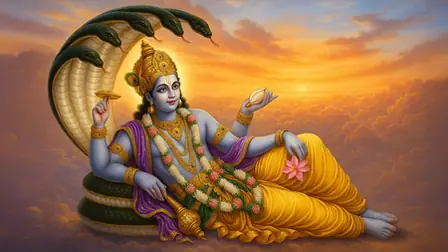
In the timeless traditions of Sanatan Dharma, the Panchang serves as a celestial guide, outlining the five key elements: Tithi, Nakshatra, Yoga, Karan, and Vara. These components are indispensable for planning daily activities, rituals, and auspicious beginnings. As February 12 unfolds on a Thursday, the day holds special reverence for Lord Narayan, Maa Pitambara (Baglamukhi), and Dev Guru Brihaspati.
Thursday’s rituals, including the chanting of Brihaspati mantras, are believed to enhance wisdom, prosperity, and intellect, ushering positivity into life. Devotees honor Narayan, Brihaspati, and the victory goddess Pitambara through meticulous worship, promising triumph in all endeavors and the vanquishing of adversaries. Offering yellow items and banana prasad to Brihaspati alongside Narayan worship yields bountiful results.
According to Drik Panchang, sunrise graces the sky at 7:02 AM, with sunset at 6:09 PM. The Krishna Paksha Dashami Tithi prevails until 12:22 PM, dominating the day as Udaya Tithi, followed by Ekadashi. Jyeshtha Nakshatra lingers until 1:42 PM, transitioning to Mula Nakshatra. Harshana Yoga persists until 3:06 AM on February 13. The Karan shifts from Vishti until 12:22 PM to Bava thereafter.
Auspicious Muhurtas beckon for vital tasks. Brahma Muhurta spans 5:19 AM to 6:10 AM, Abhijit Muhurta from 12:13 PM to 12:58 PM, Vijaya Muhurta 2:27 PM to 3:11 PM, and Godhuli Muhurta 6:06 PM to 6:32 PM. These golden windows are ideal for ceremonies and new ventures.
Caution is advised during inauspicious periods. Rahu Kalam looms from 1:59 PM to 3:22 PM, Yamaganda 7:02 AM to 8:25 AM, Bhadra 7:02 AM to 12:22 PM, and Gand Mool influences the entire day. Avoid initiating travels, new projects, or rituals then. Instead, embrace Brahma and Abhijit Muhurtas for meditation, chanting, charity, and Guru puja to reap maximum spiritual benefits.
Planning your day with these insights ensures harmony between cosmic energies and personal aspirations, fostering a blessed Thursday ahead.