
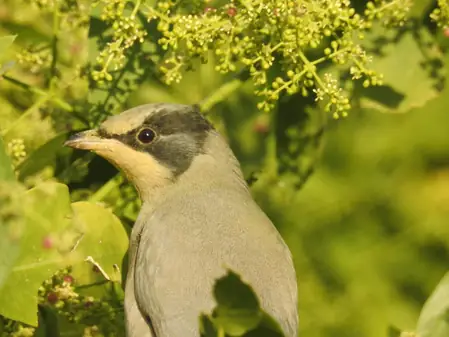
In a major boost for biodiversity conservation, the Chhari-Dhand Conservation Reserve in Gujarat’s Kutch district has been officially designated as a Ramsar site. This sprawling wetland, nestled in the arid landscapes of western India, now joins the elite global network of wetlands of international importance. What makes this announcement particularly exciting is the presence of over 283 bird species, but it’s the elusive Grey Hypocolius that steals the show, drawing birdwatchers from across the globe.
The Grey Hypocolius, known locally in Gujarati as ‘Muskati Latoro,’ is a slender, striking bird with a unique charm. Breeding in the dry regions of Iraq, Iran, Afghanistan, and Pakistan, this migrant has made Chhari-Dhand its winter home since 1990. Experts note that it thrives in scrubby deserts, arid zones, and nearby farmlands, often spotted in small flocks feasting on berries from fruit-bearing trees and shrubs. The ‘Piludi’ or ‘Peelu’ fruit from Salvadora persica is its absolute favorite, supplemented by berries from the ‘Tankara’ plant.
Bird enthusiasts flock to Fulay village’s scrub forests around October-November, where the Hypocolius arrives, staying until March or April. This reliable hotspot has turned the wetland into a must-visit for global tourists, wildlife photographers, and researchers. Historical records add intrigue: specimens were collected from Kuar Bet in the Great Rann of Kutch in 1960, and a significant rediscovery occurred in 1990 by ornithologist S.N. Varu in Fulay.
Beyond the Grey Hypocolius, the site offers glimpses of the rare White-naped Tit, found predominantly in India and most abundantly in Kutch. This Ramsar recognition underscores India’s commitment to protecting vital migratory bird habitats amid climate challenges. As conservation efforts intensify, Chhari-Dhand promises to be a beacon for eco-tourism and scientific study, ensuring these feathered wonders endure for future generations.