
New Delhi’s political circles are buzzing with sharp reactions to Pakistan’s dramatic U-turn on boycotting the T20 World Cup match against India. From Union ministers to state leaders and opposition voices, everyone has weighed in on Islamabad’s latest flip-flop.
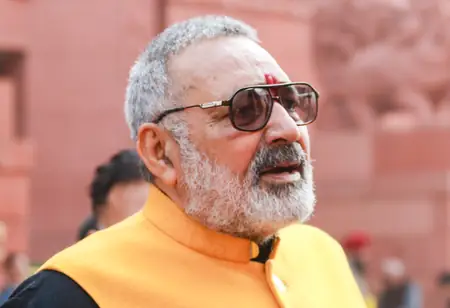
Union Minister Giriraj Singh unleashed a scathing attack, painting a picture of Pakistan’s dire straits. ‘Whether it’s the sports field or the battlefield, Pakistan is losing on all fronts,’ he declared. ‘Today, they’re begging for aid across the globe, unable to stand firm anywhere.’ His words underscore a narrative of consistent failure that resonates deeply in Indian politics.
Uttar Pradesh Minister Sanjay Nishad echoed national sentiments, stressing that the government stands with public emotions. ‘Players represent the nation and the world,’ he said. ‘When they win, the country triumphs. Sports should embody fair play, but national feelings come first.’
BJP spokesperson Pratul Shahdev clarified India’s firm stance. He recalled instances where Indian players refused handshakes with Pakistani counterparts during tense matches. ‘This is an international commitment governed by ICC rules, with BCCI operating independently within that framework,’ he explained, highlighting the structured diplomacy at play.
Congress leader Rakesh Sinha questioned the timing and hype around a single T20 clash post-ceasefire. ‘Why schedule it right after tensions eased, and why all the drama over one game?’ he probed. Sinha hinted at commercial motives, noting the massive revenue from India-Pakistan encounters. ‘After all the theatrics, Pakistan agreed to play, but questions linger,’ he added.
Samajwadi Party MP Rajiv Kumar Rai critiqued dependency, stating, ‘Relying on others’ whims isn’t self-reliance.’ The chorus of voices reveals a unified front against perceived Pakistani inconsistencies, blending sports, security, and sovereignty in India’s discourse.