
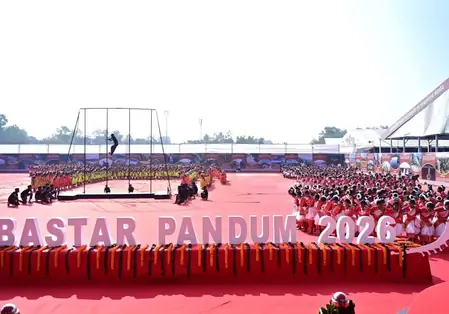
Bastar, the once-notorious heartland of Maoist insurgency in Chhattisgarh, is undergoing a remarkable renaissance. Long synonymous with violence, underdevelopment, and fear, this tribal region is now celebrated for its vibrant culture, traditions, and burgeoning self-confidence among locals. The recent ‘Bastar Pandum’ festival, held from February 7 to 9, stands as a shining testament to this transformation.
Prime Minister Narendra Modi hailed the event on social media platform X, praising its showcase of Bastar’s rich heritage. ‘This festival highlighted the grandeur of Bastar’s culture, traditions, and tribal legacy,’ he posted. ‘Congratulations to all involved. Such events play a crucial role in preserving our cultural heritage and empowering local communities.’
Modi reflected on the dramatic shift: ‘Earlier, mentions of Bastar evoked images of Maoism, violence, and backwardness. Today, it’s known for development and the growing confidence of its people.’ He expressed hopes for a future filled with peace, progress, and cultural pride.
Union Home Minister Amit Shah, who attended the festival, called it a historic milestone. Addressing gatherings in Jagdalpur, he distributed awards to tribal members and emphasized how Bastar is emerging as a brand ambassador for developed India. ‘Freed from the terror of left-wing extremists, Bastar is now promoting its culture and heritage on the global stage,’ Shah stated.
Shah highlighted the contrast: ‘Naxals had plunged Bastar into darkness with IEDs and explosives for decades. Under PM Modi’s leadership, its art, cuisine, and traditions are gaining worldwide recognition.’ He toured exhibitions at the Pandum, marveling at the displays of tribal artistry.
The festival exemplified how strong governance can turn the impossible into reality. A once-troubled region now buzzes with joy, games, and cultural displays—a living proof of the journey from Naxalism to development. As Bastar continues to evolve, it inspires hope for other challenged areas across India.