
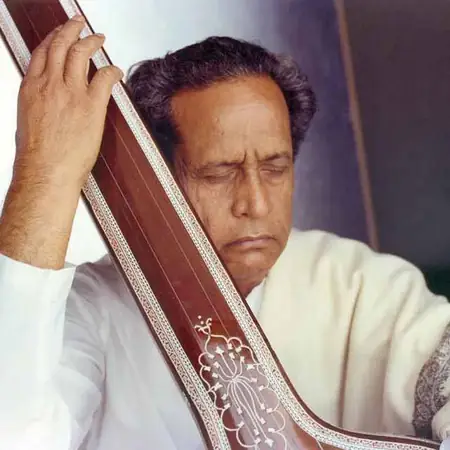
On February 10, 2009, the nation honored one of its greatest musical treasures, Pandit Bhimsen Joshi, with the Bharat Ratna, India’s highest civilian award. This legendary figure from the Kirana gharana captivated global audiences with his profound mastery of Hindustani classical music. Born on February 4, 1922, in Gadag, Karnataka, to a schoolteacher father, Joshi’s life was a testament to unwavering passion.
From childhood, music gripped him fiercely. Returning from school, he’d pause at gramophone shops, absorbing records and mimicking the masters. This obsession peaked at age 11 when he fled home in search of a guru, boarding a train without a ticket. Confronted by the ticket collector, the young dreamer sang Raag Bhairav, enchanting passengers who pooled money for his fare and fine. He reached Bijapur, embarking on a transformative journey.
Under the tutelage of Sawai Gandharva, Joshi immersed himself for years, mastering ragas like Todi, Puriya, Bhairav, and Yaman. His debut performance at 19 marked the rise of a star. Soon, he became a radio artist in Mumbai, blending khayal, thumri, tappa, bhajans, and natya sangeet with unmatched depth, purity of swaras, and intricate taans.
Favorites like Yaman, Shuddha Kalyan, Maru Bihag, Bihag, Basant Bahar, Miyan Malhar, Abhogi, and Darbari showcased his versatility. Over seven decades, Joshi elevated Indian classical music, viewing it not as a mere tool but as a sacred sadhana. Awards poured in: Padma Shri in 1972, Padma Bhushan in 1985, Padma Vibhushan in 1999, alongside Sangit Natak Akademi Fellowship, Karnataka Ratna, and Maharashtra Bhushan.
Pandit Joshi’s legacy endures, his voice a bridge between tradition and timeless emotion. He breathed his last on January 24, 2011, in Pune, leaving an indelible mark on the world of music.