
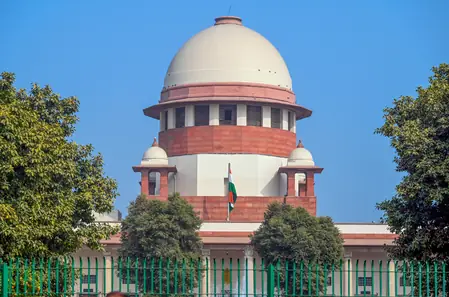
New Delhi’s Supreme Court has postponed its hearing on the bail granted to Chaitanya Baghel, son of former Chhattisgarh Chief Minister Bhupesh Baghel, in the high-profile Chhattisgarh liquor scam cases. The decision came during Monday’s proceedings, with the next hearing scheduled two weeks later to determine whether the bail stands or gets canceled.
This development stems from a challenge against the Chhattisgarh High Court’s January order granting bail to Chaitanya in two separate cases linked to the alleged scam. Chief Justice of India, presiding over the matter, deferred the hearing for 14 days. He also allowed the state government to bring any new developments or progress in the case to the court’s record during this period.
The liquor scam, which allegedly unfolded between 2019 and 2022 under the Congress-led government in Chhattisgarh, involves massive financial irregularities. The Enforcement Directorate (ED) estimates unlawful gains of around ₹3,000 crore, causing significant losses to the state exchequer. Investigations revealed a sophisticated syndicate comprising bureaucrats, political figures, and private businessmen who manipulated liquor policies for illicit profits.
Chaitanya Baghel had approached the High Court challenging his potential arrest by the ED. The court granted him relief, but the state has now escalated the matter to the apex court. In its final prosecution complaint, the ED named 59 additional accused, bringing the total to 81 individuals implicated in the racket.
As the case progresses, political circles in Chhattisgarh are watching closely. The scam has become a flashpoint, with accusations flying between the ruling BJP and opposition Congress. The Supreme Court’s upcoming verdict could have ripple effects on ongoing probes and political narratives ahead of future elections.
The deferral provides temporary respite for Chaitanya, but the underlying allegations of organized corruption in the liquor trade remain under intense scrutiny. Stakeholders await clarity on whether new evidence will sway the court’s decision.