
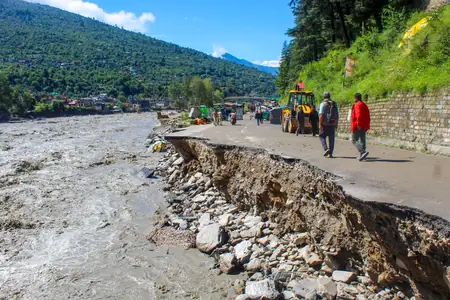
New Delhi is set to host a pivotal one-day workshop on Monday, organized by the Central Water Commission (CWC) under the Department of Water Resources, River Development and Ganga Rejuvenation. The event focuses on flood forecasting services and guidelines for preparing and reviewing Detailed Project Reports (DPRs) for flood management initiatives.
The primary goal is to bridge gaps between central and state authorities in flood prediction, preparedness, and management planning. CWC aims to showcase its current services and new initiatives while gathering valuable feedback from stakeholders. Emphasis will be placed on how states can effectively leverage CWC’s forecasting and decision-support tools, bolstered by collaborations with other central institutions.
Flood-prone states will have a platform to share their own forecasting efforts and explore synergies with CWC services for enhanced outcomes. This collaborative approach is expected to fortify India’s flood response mechanisms, elevate the quality of flood management projects, and foster better coordination among agencies.
Morning technical sessions will delve into CWC’s advanced flood forecasting capabilities, including short-term and seven-day predictions, inundation estimates, dam operation support, GLOF monitoring, AI and machine learning applications, extended-range rainfall forecasts from IMD, and flash flood warnings. State representatives will recount their experiences partnering with CWC.
Afternoon discussions will tackle guidelines for DPR preparation, submission, and scrutiny for flood management and erosion control projects. The aim is to refine project quality and ensure timely reviews, incorporating state inputs for guideline improvements.
The workshop will conclude under the chairmanship of CWC Chairman Anupam Prasad, summarizing key takeaways and outlining future directions. Secretary V.L. Kanta Rao of the Department will inaugurate the event, with participation from CWC leadership and senior state officials.
This initiative aligns seamlessly with the government’s push to enhance disaster resilience and adapt water management to climate challenges, promising a more unified national strategy against recurring floods.