
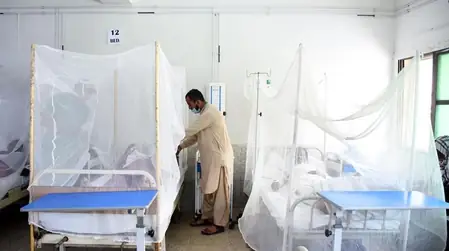
Islamabad has witnessed an unprecedented wave of medical professionals fleeing the country in 2025, with nearly 4,000 doctors abandoning Pakistan for greener pastures abroad. Bureau of Emigration data reveals this staggering figure, marking the highest annual exodus ever recorded and signaling a deepening crisis in the nation’s healthcare infrastructure.
The trend has accelerated sharply over the past decade, but 2025 stands out as a peak. Pakistan produces around 22,000 new doctors each year, boasting approximately 370,000 registered physicians for a population of 250 million. Yet, to meet WHO standards of one doctor per 1,000 people, the country requires at least 250,000 active practitioners—a gap that’s widening due to this mass departure.
On paper, numbers seem adequate, but reality paints a grim picture. Many registered doctors are not practicing, exacerbated by systemic flaws. Infrastructure deficits and cultural barriers sideline a significant portion of female physicians. A 2023 Gallup survey found 35% of women doctors in Pakistan are out of work, often due to societal norms, unemployment, or unsafe transportation that discourages night shifts.
Low salaries drive many to quit entirely. Once, young doctors protested harsh working conditions, but those demonstrations have dwindled as government indifference persists. Healthcare services cluster in urban hubs, forcing rural patients to travel long distances, overloading city facilities and burning out staff.
Limited access to advanced equipment, research opportunities, and a nurturing environment pushes ambitious professionals overseas. They seek modern tools, superior training, and appealing lifestyles in technologically advanced systems. This brain drain threatens Pakistan’s ability to deliver basic care, demanding urgent reforms in pay, infrastructure, and gender inclusivity to stem the tide.