
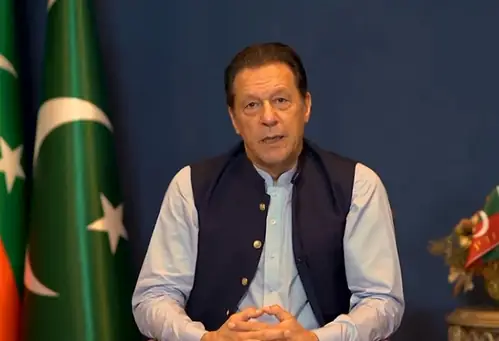
In a significant ruling from Rawalpindi, the Anti-Terrorism Court (ATC) has dismissed a medical petition filed by Pakistan Tehreek-e-Insaf (PTI) founder and former Prime Minister Imran Khan. The 72-year-old leader, currently incarcerated in Adiala Jail, had sought permission to meet his personal doctors for a comprehensive medical check-up. The court, however, upheld that jail regulations ensure adequate healthcare provisions for all inmates, including Khan.
Local media outlets, including Dawn, reported that PTI has promptly appealed the decision in the Supreme Court, reiterating demands for family and doctor visits. Imran’s legal team argued in court that as a suspect on bail in the GHQ attack case, he remains an undertrial prisoner, not a convicted one, and thus entitled to certain flexibilities. Prosecutors countered by citing Pakistan Prison Rules, which prohibit private doctors for inmates and limit care to state-provided facilities.
This development comes amid ongoing concerns over Khan’s health. Recently treated at the Pakistan Institute of Medical Sciences (PIMS) in Islamabad for eye issues linked to blood vessel pressure, PTI accuses the government of suppressing details of his condition for days. Opposition Leader in the National Assembly, Mahmud Khan Achakzai, urged Prime Minister Shehbaz Sharif last week to intervene, stressing medical ethics, legal duties, and human rights necessitate evaluation by Khan’s trusted team.
Khan’s family echoed these sentiments, noting their personal doctor hasn’t examined him in over a year. Jail authorities maintain that as a ‘B-class’ prisoner, Khan receives premium facilities: preferred meals, healthcare, reading materials, exercise, and walks. Incarcerated since August 2023 on multiple convictions, Khan claims these cases are politically motivated revenge following his 2022 ouster via a parliamentary vote.
The rejection underscores tensions in Pakistan’s polarized political landscape, where Khan’s supporters view it as further evidence of targeted persecution. As the Supreme Court appeal looms, questions persist about balancing security with humanitarian medical access in high-profile detentions.