
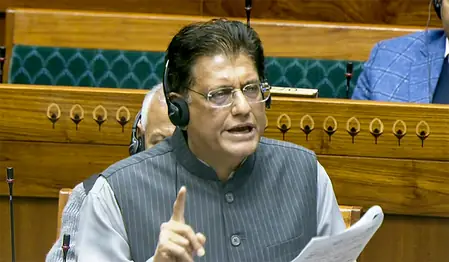
New Delhi witnessed a significant announcement on Saturday as Commerce and Industry Minister Piyush Goyal detailed the interim framework of the India-US trade agreement. In a firm stance protecting domestic interests, India has completely excluded the dairy sector from the deal, ensuring no concessions are granted to American dairy products.
Addressing journalists at the Commerce Ministry, Goyal emphasized that the agreement offers zero relief to a wide array of sensitive agricultural items. These include meat, poultry, soybeans, corn, rice, wheat, grains, sugar, millets, bananas, strawberries, cherries, citrus fruits, green peas, mung beans, chickpeas, oilseeds, animal feed, and tobacco. This exclusion safeguards India’s farmers from potential influxes that could disrupt local markets.
On apples and cotton, Goyal provided reassuring clarifications. India already imports substantial quantities of these due to domestic demand exceeding production. For instance, around 600,000 tons of apples enter the market annually. Currently, the base import price stands at 50 rupees with a 50% tariff, landing at 75 rupees in the domestic market. Under the new deal, the base price rises to 80 rupees with a 25% tariff, resulting in a 100-rupee price point, coupled with an import quota. This structure protects local apple growers from unfair competition.
Cotton follows a similar protective approach, with ongoing imports of specific varieties not posing threats to Indian farmers. Goyal reiterated the government’s commitment to prioritizing farmers’ welfare in all negotiations.
In a boost for exporters, the deal paves the way for zero-duty shipments to the US on spices, tea, coffee and related products, coconut and coconut oil, cashews, gems and jewelry, pharmaceuticals, and smartphones. These opportunities are set to propel bilateral trade towards a ambitious $500 billion target.
Goyal highlighted how this agreement aligns with India’s vision for a $30 trillion economy by 2047, opening vast avenues for exporters while fortifying key sectors. The strategic exclusions underscore a balanced approach, fostering growth without compromising national agricultural security.