
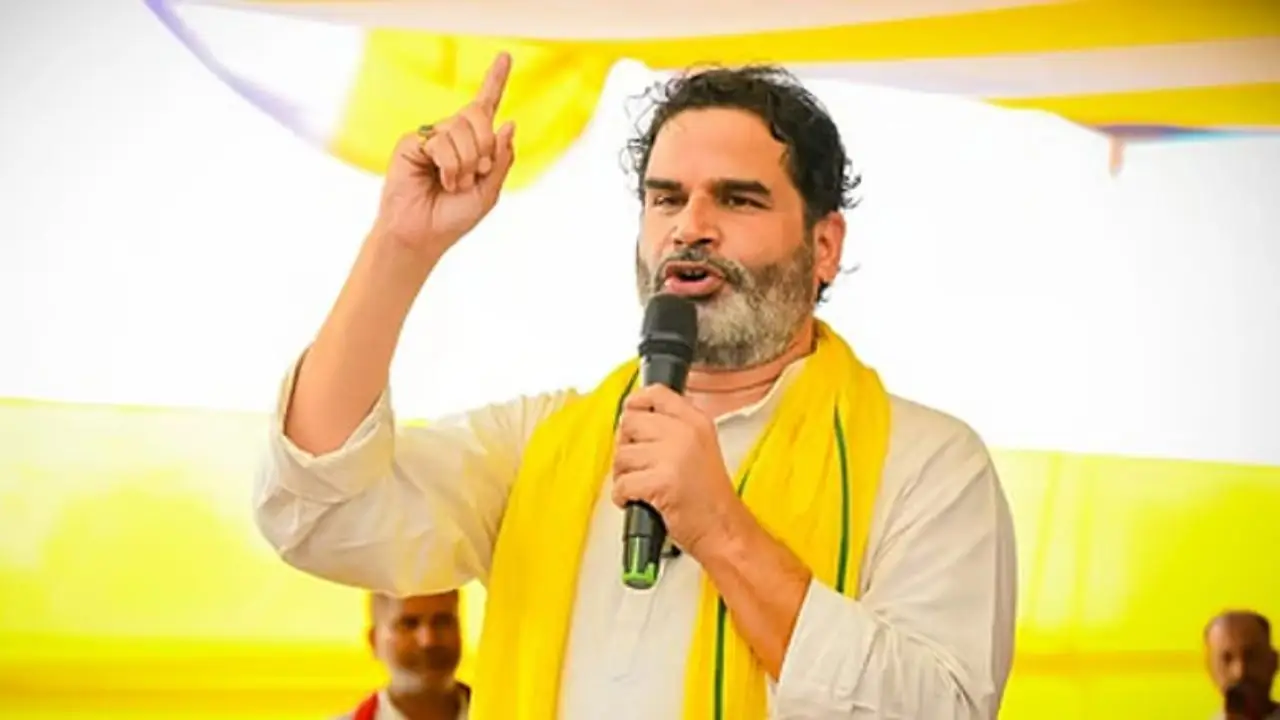
In a stinging rebuke to political strategist turned activist Prashant Kishor, the Supreme Court of India on Monday dismissed a petition filed by his Jan Suraaj Party seeking cancellation of the recent Bihar Assembly elections and fresh polls. The bench, comprising Justices Sanjay Kishan Kaul and Krishna Murari, questioned the legitimacy of the plea during the hearing, pointedly asking how many votes the party had secured in the elections.
“How many votes did your party get? People have rejected you, and now you want to use the judicial platform to gain popularity,” the court remarked, highlighting the scant electoral support for Jan Suraaj, which failed to win any seats and garnered minimal votes across the state.
The petition had alleged widespread electoral malpractices, including booth capturing, rigging, and misuse of official machinery by the ruling NDA alliance. Kishor’s outfit claimed these irregularities marred the poll process in several constituencies, demanding a complete re-poll to ensure democratic integrity.
However, the apex court was unmoved by these arguments. It emphasized that courts cannot intervene in every election dispute, especially when raised by parties with negligible public backing. The dismissal comes as a major setback for Prashant Kishor, who launched Jan Suraaj earlier this year amid much fanfare, positioning it as a viable alternative to Bihar’s entrenched political players like RJD, JD(U), and BJP.
Kishor, known for masterminding poll strategies for Narendra Modi’s 2012 UP campaign and later for Nitish Kumar’s victories, has been vocal against the Bihar election results. He accused the Election Commission of turning a blind eye to blatant violations, but the Supreme Court’s sharp response underscores the judiciary’s reluctance to entertain post-poll grievances from fringe players.
Political analysts see this as a reality check for emerging outfits in Bihar’s cutthroat politics. With the NDA comfortably forming the government under Nitish Kumar, opposition voices like Kishor’s now face an uphill battle both at the ballot box and in the courts. The development reinforces the principle that electoral mandates must be respected unless proven fraudulent through robust evidence, not mere allegations.
As Bihar moves forward with its new legislative assembly, questions linger on whether Jan Suraaj can regroup and build a stronger base ahead of future polls, or if this judicial snub marks the end of its brief tryst with controversy.