
PATNA: In the wake of a tragic incident where a NEET aspirant died in a Patna hostel, the Bihar government has swung into action. Responding swiftly to public outcry, authorities have recommended a CBI probe into the matter and rolled out comprehensive safety guidelines for women’s hostels across the state.
The directives, issued by police headquarters on Wednesday, target all girls’ hostels and paying guest accommodations. Senior police officials received formal letters mandating immediate compliance to bolster student security.
Key measures include round-the-clock presence of a female warden, mandatory police verification for all staff—from guards and cooks to cleaners—and installation of CCTV cameras at main gates, corridors, dining areas, and premises. Footage must be retained for at least 30 days.
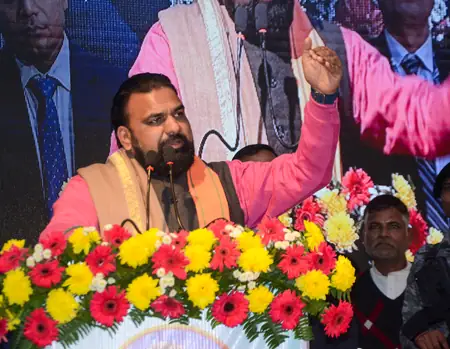
Deputy Chief Minister and Home Minister Samrat Chaudhary emphasized the critical role of educating and empowering girls for societal progress. ‘The government is committed to providing safe environments in schools, colleges, workplaces, and residences,’ he stated.
New rules make hostel registration compulsory, with detailed records maintained at local police stations by women’s help desks. Hostels must feature adequate lighting, robust doors with strong locks, iron grilles on windows, and biometric systems for tracking nighttime attendance of students and staff.
Visitor logs will record names, mobile numbers, and Aadhaar details, while male entry into student rooms remains strictly prohibited. Emergency posters with contacts for local police, women’s help desks, Abhaya Brigade, and the 112 helpline will be prominently displayed.
Regular inspections by police, help desks, and Abhaya Brigade will ensure adherence. ‘No compromise on girls’ safety,’ Chaudhary asserted, promising swift action against any suspicious activities. These steps aim to restore confidence among students and parents, signaling a zero-tolerance approach to vulnerabilities in student housing.