
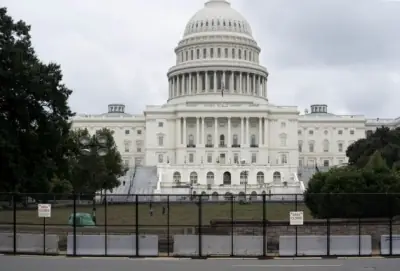
Washington is bracing for yet another partial government shutdown as Congress failed to pass the federal funding bill for 2026 before the deadline. The impasse struck late Saturday, halting non-essential operations across key federal departments.
Lawmakers from both parties expressed optimism that a Senate-backed funding package could gain approval early next week, potentially averting a prolonged crisis. This comes amid heightened tensions following recent deadly clashes involving federal immigration agents in Minneapolis, where protests have erupted over two fatalities during an ICE operation.
The breakdown in negotiations, fueled by Democratic outrage over immigration enforcement funding for the Department of Homeland Security (DHS), led to the funding lapse. Non-essential services in education, healthcare, housing, and even defense oversight have ground to a halt as a result.
Officials warn that the shutdown process kicked off overnight, affecting nearly three-quarters of federal operations. If extended, thousands of federal workers could face furloughs without pay, while others might labor without compensation until funding is restored.
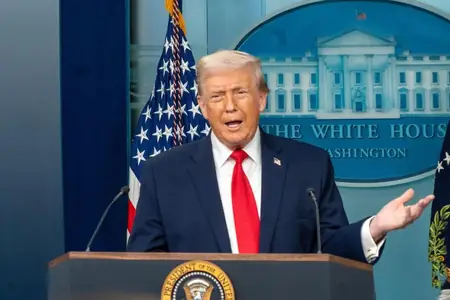
Late Friday, the Senate approved a package covering five remaining funding bills through September for most agencies, alongside a two-week stopgap for DHS. This measure buys time to resolve disputes over immigration enforcement. President Donald Trump voiced support for the Senate deal, urging the House to act swiftly and signaling his reluctance for a drawn-out shutdown.
This marks the second partial shutdown of Trump’s second term, following a record-breaking 35-day stalemate last fall that paralyzed federal services. Senate Democratic Minority Whip Dick Durbin lambasted the administration, accusing it of squandering resources targeting peaceful protesters in Chicago and Minneapolis instead of combating drug smugglers, child predators, and human traffickers. ‘This government is making Americans less safe,’ Durbin declared.
As the clock ticks, the stakes remain high. A swift resolution could prevent widespread economic ripple effects, but partisan divides over border security continue to cast a long shadow on fiscal stability.