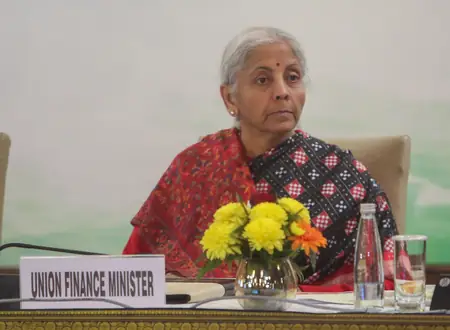


Mumbai’s bustling stock exchanges are set to defy the weekend norm this year. On February 1, 2026—a Sunday—both the Bombay Stock Exchange (BSE) and National Stock Exchange (NSE) will conduct regular trading sessions as Finance Minister Nirmala Sitharaman unveils the Union Budget 2026-27 in Parliament.
This special arrangement ensures investors can react instantly to the fiscal blueprint. Typically closed on weekends, the markets will open from 9:15 AM to 3:30 PM IST, mirroring standard hours. The Multi Commodity Exchange (MCX) will also host a dedicated trading window for commodities.
It’s not unprecedented. Past budgets falling on holidays have prompted similar openings, allowing seamless market responses. Sitharaman, presenting her ninth consecutive budget, marks a historic tenure for any finance minister since India’s independence.
NSE’s circular emphasizes preparedness among members, noting that February 1 is a settlement holiday. Shares bought on January 30 cannot be sold that day, and vice versa for purchases on budget day. This T+1 settlement nuance demands careful planning from traders.
Market gaze is fixed on government’s borrowing plans, fiscal deficit trajectory, and debt management. Analysts project a 3% year-on-year borrowing hike, pegging FY26-27 deficit at 4.1-4.2% of GDP. Investors anticipate cues on capex revival, tax reforms, and sector-specific boosts.
The budget documents, meticulously crafted by the Department of Economic Affairs, outline expenditures, revenues, and ambitious schemes. Preceding this, the Economic Survey 2025-26 was tabled on January 29, with Chief Economic Adviser V Anantha Nageswaran briefing the press.
As NDA’s third term unfolds, this full budget could signal policy continuity amid global headwinds. Traders and economists brace for volatility, with eyes on Sitharaman’s vision for India’s growth story.